IMDEA Materials Institute has concluded two productive days hosting the latest meeting of CompSTLar, bringing together 15 partners from across Europe to review progress and define the next phase of the project.
With a large and multidisciplinary consortium spanning multiple European countries, face-to-face meetings remain essential to ensure that the many parallel technological developments are properly integrated and aligned towards a common objective.
“In these large projects, being able to meet physically every six months is key,” said Project Coordinator Dr. Pablo Romero Rodriguez, an IMDEA Materials Institute alumni now at AIMEN Technology Centre. “There are many technological developments happening simultaneously, and at the end of the day, we have to demonstrate something concrete. Everything must be properly integrated.”
The first day of the meeting focused on technical progress across advanced and sustainable manufacturing, recycling, structural health monitoring, analysis and digitally assisted repair. In addition to formal work package presentations, the agenda included open discussion sessions designed to encourage deeper technical exchange and strategic coordination among partners.
“It wasn’t just about presenting what has been done. We created open spaces to ask questions, put concerns on the table and define common strategies. That was extremely valuable,” explained Dr. Romero Rodriguez.
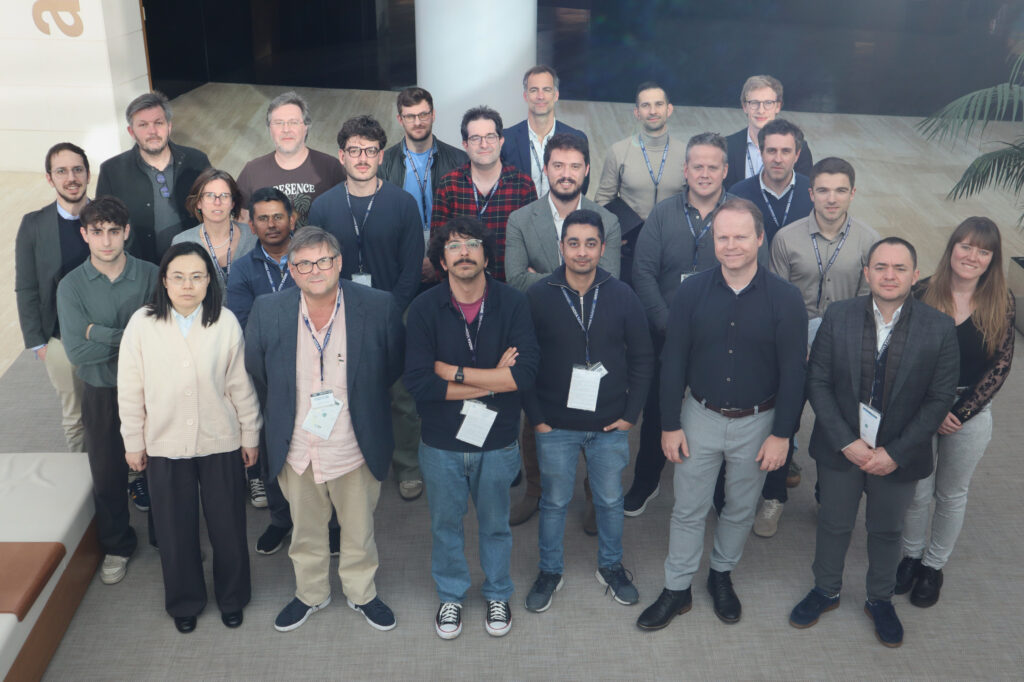
The second day addressed governance and management aspects, including steering committee sessions and quality control mechanisms, ensuring that the project remains on track as it enters a decisive phase.
CompSTLar builds upon a strong foundation of previous collaborations among several partners, strengthening long-term cooperation between research centres and industry.
IMDEA Materials Institute and AIMEN Technology Centre previously collaborated on the fellow Horizon Europe DOMMINIO project, with CompSTLar marking the second partnership between the two institutions.
After an initial period dedicated to preparation and alignment, the consortium is now focused on delivering robust, demonstrable outcomes by the end of 2026.
“Last year was about preparing ourselves and setting common objectives. This year we must focus on delivering strong results,” said Dr. Romero Rodriguez. “By the end of 2026, we should have something concrete to publish or demonstrate. It may sound strange, but we need to start failing as soon as possible, in a constructive way, so that we can learn quickly, adjust and continue moving forward.”
CompSTLar has received funding from the European Union’s Horizon Europe research and innovation programme under Grant Agreement Nº101192936, as well as the Swiss State Secretariat for Education, Research and Innovation (SERI).