Search Results for:

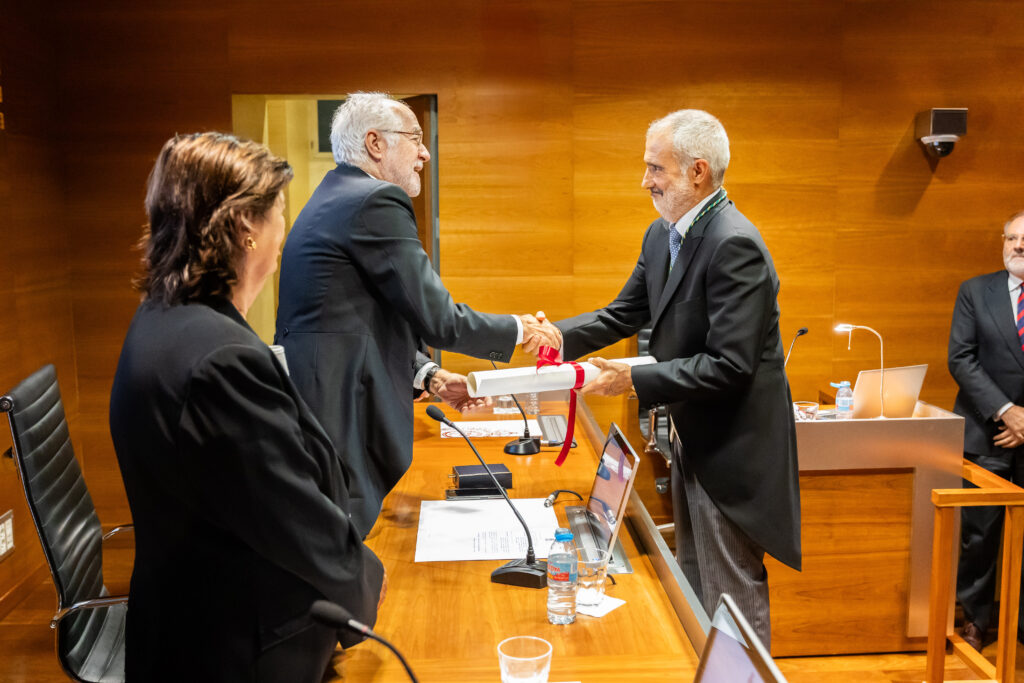
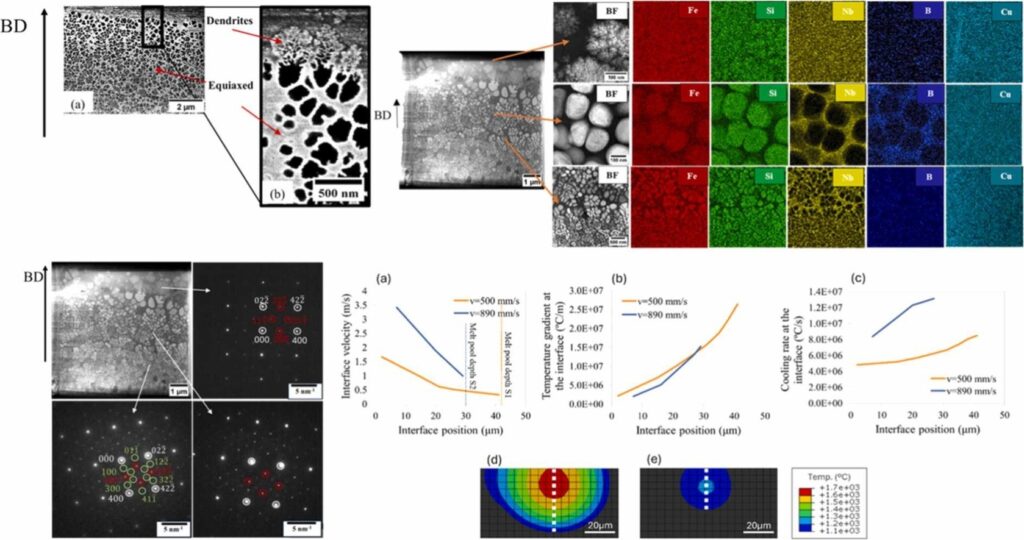
PhD Defense of Jorge Valilla, entitled “Additive Manufacturing of Functionally Graded Materials: Insights from Advanced Characterization and Computational Thermodynamics” – on January 30, 2026, at 10:30 a.m.

The PhD defence will take place in the Video Room 3.S1.08, Rey Pastor Library Building of Universidad Carlos III de Madrid.How to get there: https://www.google.com/maps/place/Av.+de+la+Universidad,+30,+28911+Legan%C3%A9s,+Madrid,+Spain (Avda. de la Universidad, 30, Rey Pastor Building,

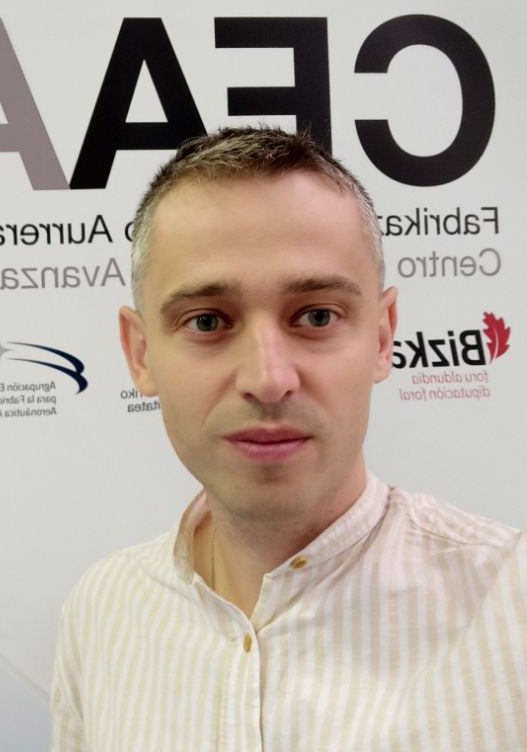
Seminar by Dmytro Lesyk, from the Aeronautics Advanced Manufacturing Center (CFAA) of the University of the Basque Country (EHU), entitled “Laser PBF Additive Manufacturing and Post-Processing Superalloys” – on Thursday 29, at 10:00a.m, in the Board of Trustees Room.

Abstract: Laser powder bed fusion (LPBF) additive manufacturing of precise metal components for aerospace and biomedical applications using key powder materials with exceptional properties, such as Ti-, Ni-, and Co-based alloys, is a promising approach, given the possibility of reducing the part
Seminar by Prof. Jan G. Korvink from Karlsruhe Institute of Technology, Germany, entitled “High-resolution magnetic resonance on moving fluids, tissues, and insects” – on February 3, at noon, in the Auditorium.

Abstract: Our understanding of natural processes in the life sciences is very strongly dependent on our ability to observe in sufficient detail how an organism’s biochemical processes evolve, and how they connect to that organism’s overall behaviour. This is partially a technical issue, because

FYA of Laura Rosso entitled “Design and development of metal halide perovskite for photocatalytic applications” – 21st January at 11:30 a.m. in the Seminar Room.

Abstract: Metal halide perovskites have attracted increasing attention in recent years due to their outstanding physico-chemical properties and excellent performance in diverse photocatalytic reactions. However, most studies focus on lead-based perovskites, whose toxicity has driven the search

Seminar by Professor Richard M. Hall. from University of Birmingham, entitled “Beyond the standard – the case for advanced testing of orthopaedic implants.” – on February 10, at noon, in the Seminar Room.

Abstract: Joint replacement is rightfully considered one of the most techno-clinical success stories of the latter part of the 20th Century with numerous patients particularly those of advancing years having improved quality of life. Despite the latest range of materials having substantially

Seminar by Prof. Dr. Xiaoyu Ju from the University of Science and Technology of China, entitled “Research on the Fire Characteristics and Prevention and Control Technologies of EVs in Underground Garages” – on January 30th, at 11:30 am, in the Seminar Room.

Abstract: With the growing number of electric vehicles (EVs) in underground parking garages, new fire risks emerge that are not adequately addressed by current safety standards. Our research tackles this urgent issue by developing a targeted fire suppression solution. Through full-scale

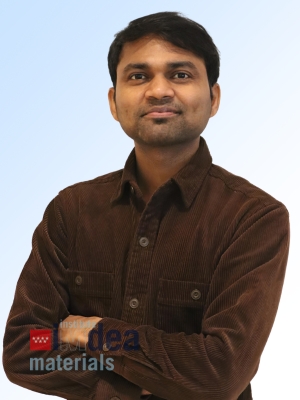
Seminar by Dr. Muhammad Naeem, MSCA Senior Post-doctoral Researcher at IMDEA Materials Institute, entitled “Decoding cryogenic deformation mechanisms through in-situ neutron and synchrotron diffraction” – on January 22, at noon, in the Auditorium.

Abstract: The performance of metallic materials under cryogenic conditions is critical for advancing technologies in aerospace, hydrogen economy, and superconductivity. However, designing alloys for these extreme environments is challenging due to the complex interplay of deformation mechanisms

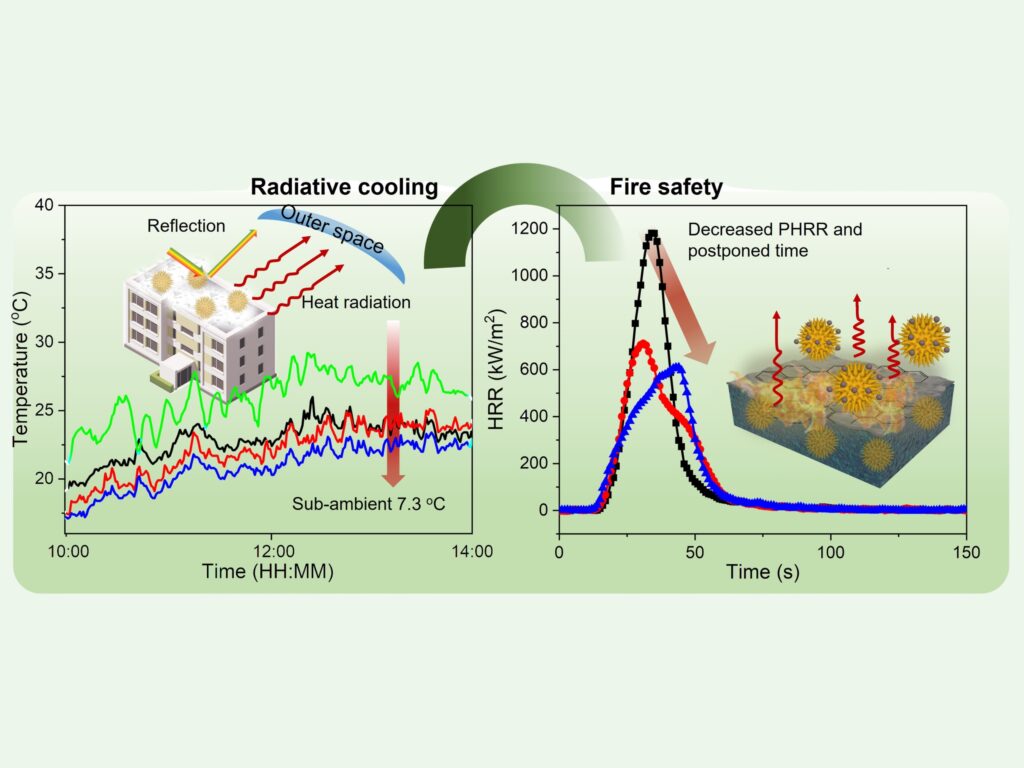
PhD Defense of Wei Tang, entitled “Construction of Efficient Intumescent Flame-Retardant Systems Based on Multi-Group Synergy: Properties and Mechanism in Polypropylene” – On January 23rd, 2026 at 10:30 AM.

The PhD defence will take place in Aula 225, Departamental I, Campus de Alcorcón. How to get there: Google Maps – Campus de Alcorcón (Universidad Rey Juan Carlos)https://www.google.com/maps/search/Campus+de+Alcorcón+Universidad+Rey+Juan+Carlos The dissertation is titled “Construction of

Doctoral Thesis Defence: Guillermo Domínguez – January 16, 2026

On January 16th, 2026, Guillermo Dominguez will defend his doctoral thesis entitled “Effects “of chemical composition, surface treatments, and processing technique on the corrosion and cytocompatibility of Zn and Mg alloys. It was advised by Prof. Javier Llorca and Dr. Mónica Echeverry The PhD

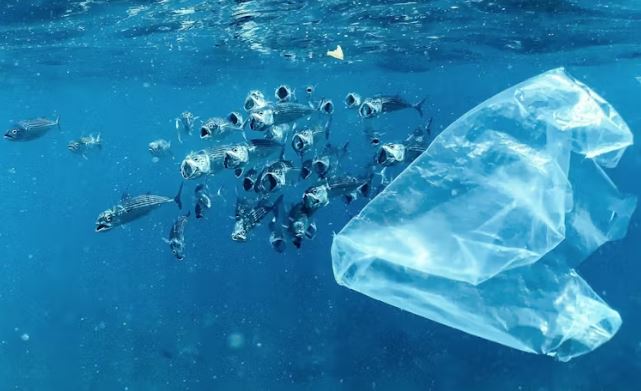
Greedy bacteria, salt and bamboo: promising solutions to the plastics problem

José Manuel Torralba, IMDEA MATERIALS They surround us in computers, bottles, packaging, furniture, cars, aeroplanes and even in most of the clothes we wear. Their low cost and apparent recyclability have made polymers (plastics) ubiquitous. However, they present two major problems. The first

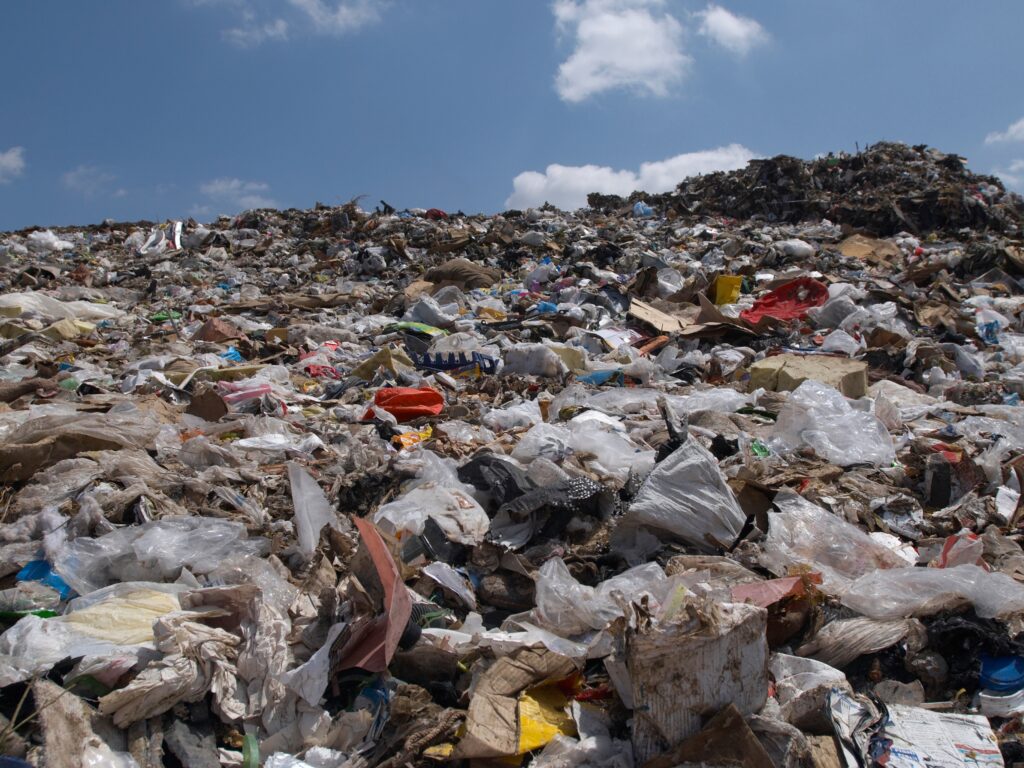
How to avoid being buried under the mountain of waste we generate

Miguel Ángel Rodiel, IMDEA MATERIALS and José Manuel Torralba, IMDEA MATERIALS Are Spaniards addicted to rubbish? Not to junk food, nor to the “trash TV” that hooks many of us in the late afternoon and evening, but to rubbish itself: the kind that fills our landfills and, beyond that, our rivers,

Materialise Call 2026

IMDEA MATERIALS PROOF-OF-CONCEPT CALL 2026 - MATERIALISE​ GOAL AND DESCRIPTION​ There is a gap between the progress made through research funding and what industry and investors view as an interesting commercial opportunity. While researchers usually

Seminar by Prof. Dr. Dan Xiao from Hochschule für Technik und Wirtschaft Dresden, entitled “High-performance Recyclable Fire Retardant Polymer Composites/Nanocomposites Enabled by Electron Beam Treatment” – on December 15th, 2025, at 11:30 AM, in the Seminar Room.

Abstract: Trillions of dollars of polymer products, such as wires and cables, hydrogels, tires, heat shrinkable films, wood plastic for floor, tubes, etching, disinfection, harm removal, 3D printing, and coating etc. have been recreated by electron beam (EB) technology every year. Over the past

Robots that invent new materials

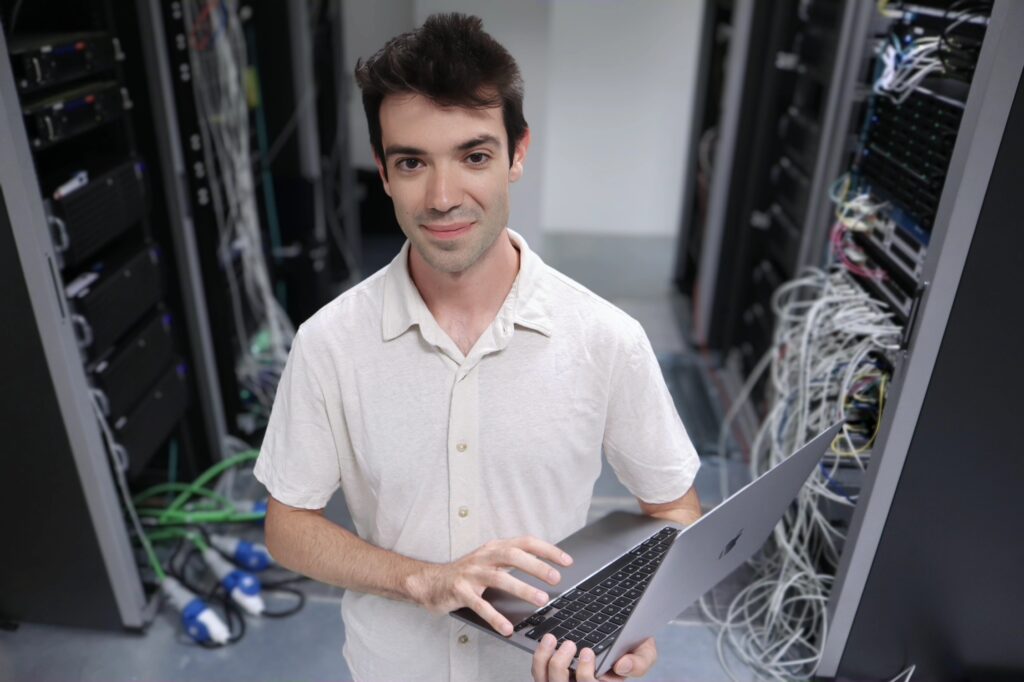
José Manuel Torralba, IMDEA MATERIALS What role does artificial intelligence play in a materials factory? How can it help choose the best combination of ingredients to achieve specific properties for a wide range of purposes? It turns out that AI is becoming essential for digesting the hundreds

PhD Defense of Mingyang Zhang, entitled “Fire-safe lithium-ion batteries: material, assessment, and mechanism” – On November 20th, 2025, at 11:00 AM.

The PhD defence will take place on Aula 31, first floor, at the Polytechnic University of Madrid. How to get there: Campus, Calle del Prof. Aranguren, 3, 28040 Madrid. The dissertation is titled “Fire-safe lithium-ion batteries: material, assessment, and mechanism”. It has been advised by

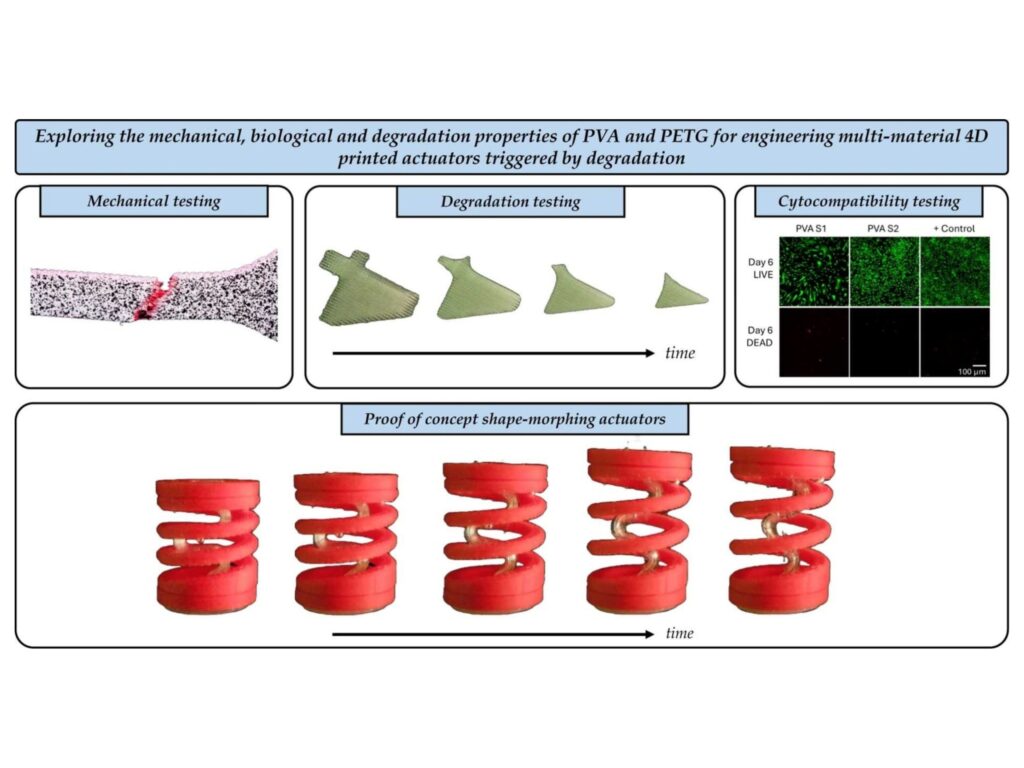
IMDEA Materials contributes to shaping the future of European 3D bioprinting

Home to several fast-growing biomaterials research lines, IMDEA Materials is also playing a role in resolving key issues relating to the standardisation and regulation of 3D bioprinting. Prof. Andrés Díaz Lantada, Principal Investigator of the institute’s Bioinspired, Smart and Living Materials

FYA of Nafiseh Mollaei entitled “In situ EBSD analysis of the deformation mechanisms of a Zn-1wt%Mg alloy manufactured by laser power bed fusion”– Friday, October 24, 2025 at noon in the Seminar Room

Abstract:      Zinc and its alloys have been recently considered promising candidates for biodegradable implants due to their excellent biocompatibility and stable degradation rates, despite their low mechanical strength. Among advanced fabrication technologies for medical components, laser

Electric Machine

Patent details Status Spanish patent filedPCT Extension Inventors Juan José Vilatela García, Anastasiia Mikhalchan, Ana Inés de Isidro Gómez, David Camacho Pernil, Marta Isabel Ocaña Dominguez, Eva Novillo Diaz Application

Seminar by Dr. Mert Celikin from University College Dublin, entitled “The Challenges in Metal Additive Manufacturing of Titanium & Magnesium-based Implants” – on November 3rd, at 12:00, in the Seminar Room.

Abstract: The first part of the talk will be on the challenges and the potential solutions of titanium (Ti)-based alloy processing through Additive Manufacturing (AM), also known as 3D printing. AM, which allows the realisation of a metallic component with complex geometries not achievable by

Seminar by Dr. Ni Qianqian from the National University of Singapore, entitled “Platform technologies for targeted delivery of RNA therapeutics” – on November 14, 2025, at 11:30, in the Seminar Room.
Abstract: Since the advent of COVID-19 mRNA vaccines, mRNA has become one of the most promising nucleic acid therapeutics. However, a major challenge now is how to deliver mRNA to targeting cells effectively and increase mRNA expression yield but de-risk potential toxicity to expand its clinical

FYA of Vittoria Squartecchia entitled “Phase-Field Modeling of Magnesium Alloy Degradation for Biomedical Applications” – 27th of October at 12:00 in the Seminar Room.

Abstract: Biodegradable magnesium (Mg) alloys represent a promising class of materials for next-generation biomedical implants, particularly endoluminal devices. Their major limitation, however, lies in the difficulty of controlling corrosion in the aggressive physiological environment, where
FYA of Ahsan Kaleem entitled “Thermomechanical Models for Additive Manufacturing Processes: Theory and Implementation” – October 10 at noon in the Seminar Room.
Abstract: "Additive manufacturing processes are predominantly governed by complex thermomechanical interactions that critically influence the mechanical properties and the quality of the final product. This study first developed a mathematical framework of general small-strain thermo-mechanics

Innovation talks entitled “crystal semiconductor techologies: from the crystal growthh lab to the market” – Thursday, October 9th, at noon in the seminar room

Abstract:In this talk, José Luis Plaza will briefly discuss the development of Crystal Semiconductor Technologies company, born at the Crystal Growth Laboratory of the Autonomous University of Madrid (LCC-UAM). He will introduce how the knowledge gained from more than 40 years of experience led to

Seminar by Dr. Christos SOFRAS, postdoctoral researcher at EMPA, Switzerland., entitled “Microstructure design by additive manufacturing” – on October 17th at noon (Board of Trustees room).

Abstract: Beyond its capability to create intricate geometries, Laser Powder Bed Fusion (L-PBF) is a powerful tool for tailoring the microstructure of metallic materials. By carefully adjusting process parameters, L-PBF enables fine tuning of crystallographic textures – a particularly critical

Next Thursday, October 9th, at noon, there will be another session of our innovation talks, where “deep science” companies explain their entrepreneurship journey rooted in an academic setting like ours. This time, José Luis Plaza will tell the story of Crystal Semiconductors, a spin-off company of UAM in crystal growth technologies. You can find more details of her talk below.

Abstract: In this talk, José Luis Plaza will briefly discuss the development of Crystal Semiconductor Technologies company, born at the Crystal Growth Laboratory of the Autonomous University of Madrid (LCC-UAM). He will introduce how the knowledge gained from more than 40 years of experience led

Seminar by Prof. Joana Loureiro from the Faculty of Engineering – University of Porto, entitled “Challenges in the design and development of drug delivery systems for targeted disease treatment” – on 23rd October 2025, at 12:00, in the Seminar Room.

Abstract: The talk will explore the key challenges in the design and development of drug delivery systems aimed at targeted disease treatment. Special emphasis will be placed on strategies for crossing biological barriers, with a focus on targeting the brain, while also considering broader

Christina Schenk

Machine learning for materials discovery Dr. Christina Schenk holds a Staff Scientist position at IMDEA Materials and leads the ML4Materials (Machine Learning for Materials Discovery) Lab. In this role, she collaborates with and supports several research groups at IMDEA Materials. She earned

Seminar by Dr. Rubén Sánchez-Gómez from the Complutense University, entitled “The Need for Reactive Polymers in Clinical Applications of Sports Podiatry” – On Wednesday october 1ts, 2025 at 11:30, in the semianr room

Abstract: Sports injuries often arise from the limited ability of the human locomotor system to effectively store and release elastic energy during high-demand activities (Nigg & Wakeling, 2001). Current athletic footwear technologies rely heavily on energy-absorbing polymers that reduce

Seminar by Prof. Sam Kassegne from San Diego State University, entitled “Re-Imagining Carbon: The Quest for Material Discovery and Synthesis of New and Novel Carbon Hybrids” – on Thursday, September 25th, 2025, at noon, in the Seminar Room

Abstract: The development of new and novel materials is critical for driving innovations in the next generation of devices and systems for applications in nanoelectronics, energy conversion and storage, and quantum computing. As the limitations of silicon-based technologies become increasingly

Miguel Monclús

Thin films and nanomechanics Dr. Miguel Monclús graduated with a Bachelor’s Degree in Electronic Engineering at Dublin City University (DCU) and as a Technical Engineer in Industrial Electronics (1996) at Universidad Politécnica de Valencia (UPV). He obtained his Ph.D. at DCU in the field of

Juan Pedro Fernández Blázquez

Polymer Characterisation Dr. Juan Pedro Fernández Blázquez completed his Chemistry M.Sc. at the Complutense University of Madrid (2001), where he also got his Ph.D. for his dissertation entitled “Synthesis, phase transition, and orientation effect in liquid crystal polymers”, research performed in

Staff Scientists

Juan Pedro Fernández Miguel Monclús Christina Schenk Polymers characterisationStaff Scientist and Technical Coordinator Thin films and nanomechanicsStaff Scientist Machine learning for materials discoveryStaff Scientist

FYA of Henry Summers, entitled “The Coupled Influence of Microstructure and Architecture on Additively Manufactured Inconel 718 Lattice Structures” – 25th of September at 3:00 p.m. in the seminar room

Abstract: Additive manufacturing (AM), particularly laser powder bed fusion (LPBF), has revolutionized the fabrication of high-performance metal components for aerospace by enabling more complex geometries to be produced with superior mechanical properties and minimal material waste [1-5].

An Extraterrestrial “S”: the First Metal Part 3D-Printed in Space

José Manuel Torralba, IMDEA MATERIALS The first “part” ever printed in space was a very thin rod shaped like an “S”. The “S” is a simple shape, but it poses some difficulty because it involves two changes in curvature. We could almost say it was a 2D print. But months later, a revolutionary

FYA of Yufei Liu entitled “Efficient Steel Creep Behavior Prediction with Bayesian-Calibrated Models” – Friday, 12th September 2025 at noon in the Seminar Room

Abstract: Creep is the slow, continuous deformation of a material under constant stress, especially at high temperatures. Accurately identifying its parameters remains a critical challenge in materials science. This work focuses on calibrating these parameters using a Bayesian calibration method

PhD Defense of Ignacio Rodríguez Barber, entitled “Laser powder bed fusion of Inconel 939: from parameter optimization to microstructural design” – On This Friday, 12 September at 11:00 AM

The PhD defence will take place in Sala 3.S01.08, Edificio Biblioteca Rey Pastor, Universidad Carlos III – Campus de Leganés. It has been advised by Director: Dr. María Teresa Pérez Prado and Academic Tutor: Prof. Mónica Campos Gómez. Here is the University address:Universidad Carlos III –

Seminar of Prof. Paraskevas Kontis, Associate Professor at the Norwegian University of Science and Technology entitled “Atomic-scale engineering for crack-free additively manufactured superalloys.” On September 19th at noon in the seminar room.

Abstract: The presence of minor grain boundary solutes such as boron and zirconium can have significant consequences for the production of superalloys using additive manufacturing methods. On the one hand, their presence in the bulk chemistry is crucial for achieving the required mechanical

Seminar by Prof. Pere Barriobero, Ramón y Cajal researcher at the Polytechnical University of Catalonia, entitled “Real-time monitoring of engineering alloys under manufacturing and service conditions” – on September 11th, 2025, at 12:00 PM, in the Seminar Room.

Abstract: Optimizing the performance of engineering alloys during manufacturing and service conditions requires a keen understanding of their microstructure evolution under applied temperature and load. It is thus a challenging task, because under the influence of an external load and/or

Aircraft materials inspired by sea urchin skeletons

Lucía Doyle, IMDEA MATERIALS Building an aircraft is a task that must be thought out in detail. Its materials must meet strict requirements in terms of mechanical strength, performance, and weight reduction, in addition to other functions such as acoustic and thermal insulation. To simultaneously

Seminar by Prof. Ana Inés Gómez de Castro entitled “Ultraviolet radiation, nanomaterials and the investigation of the origin of life.” – On September 17, at noon, in the seminar room.

Abstract: Ultraviolet (UV) radiation is efficiently absorbed by the atmosphere of the Earth and its relevance and usefulness in materials processing has been often disregarded being this type of studies relegated to astrophysics and space science and exploration. In this seminar, two examples of

Seminar by Prof. Marie A. Charpagne from the University of Illinois at Urbana-Champaign, entitled “Metastable alloys by design” – on Monday, September 1st, at 11:00am, in the Auditorium.

Abstract: Additive manufacturing (AM) is revolutionizing how we synthesize, produce, and use metallic materials. However, out of hundreds of commercially available engineering alloys, only a handful are readily printable. This arises from the extreme heating and cooling rates associated with AM,