Composites Communications X.H. Shi; Z. Li; Q.Y. Liu; W.J. Zhou; X.H. Liao; D.Y. Wang
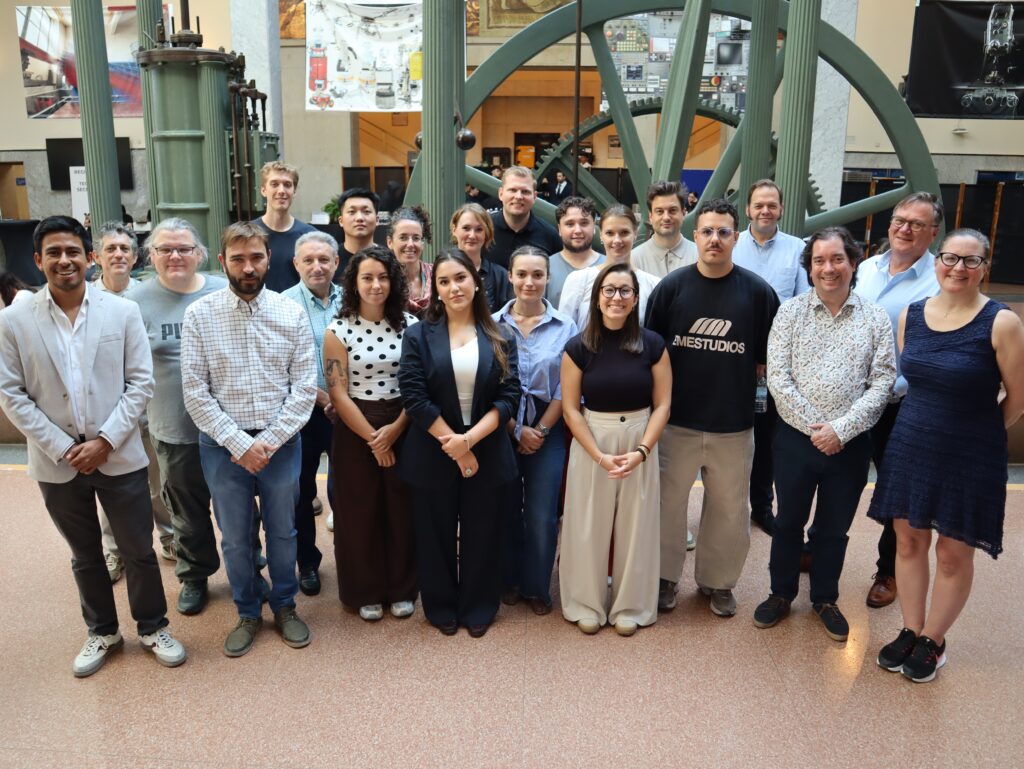
Last week, researchers from IMDEA Materials Institute took part in the annual meeting of DIGIMATER-CM Digital Strategies autonomus Discovery, a collaborative initiative bringing together leading research groups across the Madrid region to advance the future of materials development. Funded by the
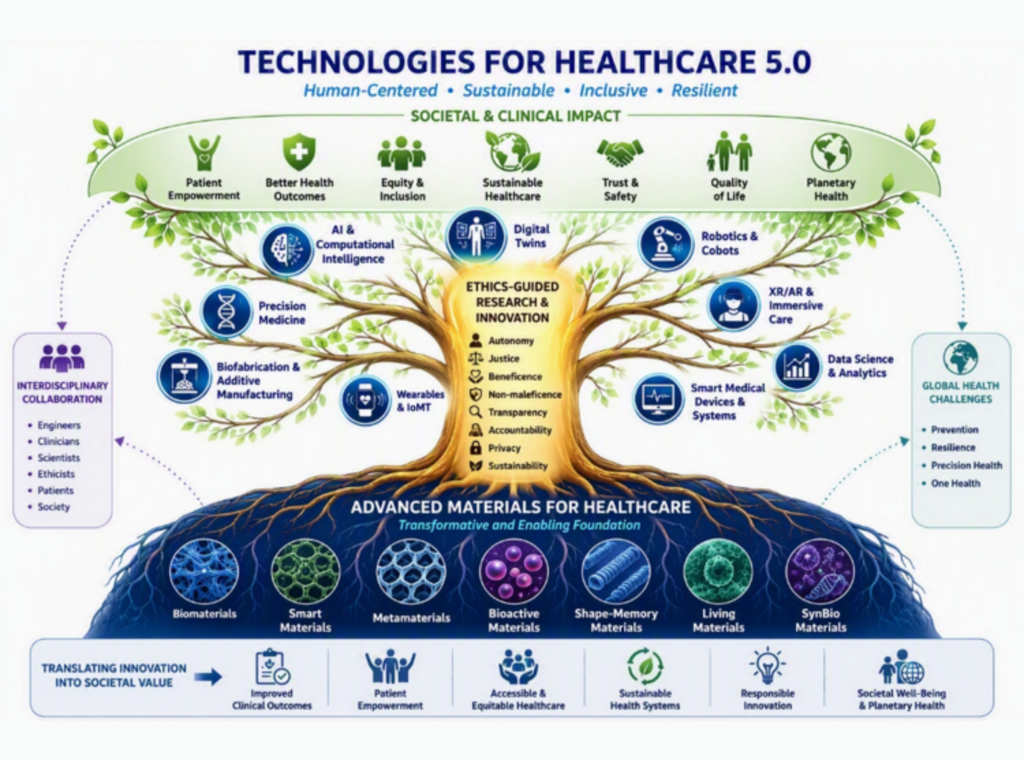
A set of emergent technologies radically transforming health management has led to the novel paradigm of Healthcare 5.0, which heralds healthier societies. However, to avoid an unwanted advent of a healthcare dystopia, and to effectively and equitably deploy the extremely varied Biomedical
Abstract: Carbon Nanotubes have in the past year or so hit it ‘big-time’. Their incorporation, as a powder or suspension additive, into both anodes and cathodes of lithium-ion batteries, has greatly enhanced the battery lifetime. The nanotubes contribute both to the strength and the electrical
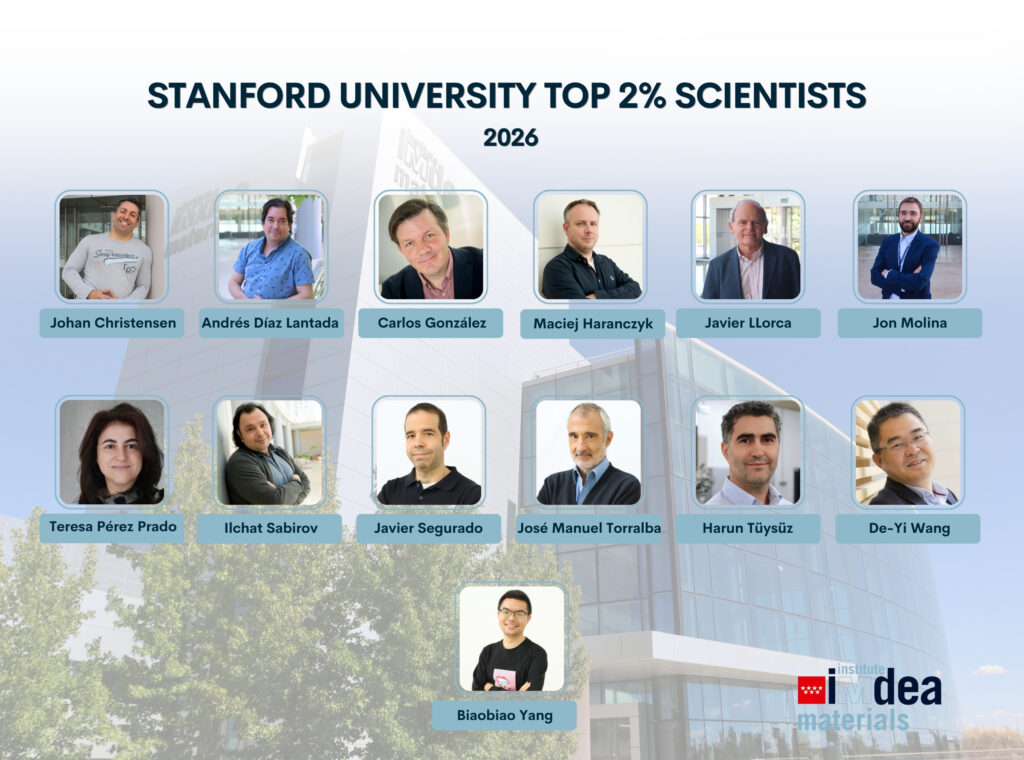
A record 13 IMDEA Materials Institute researchers have been recognised among the world’s Top 2% of scientists by citation impact in their field in the most recent annual ranking compiled by Stanford University (United States) and the academic journal Elsevier. The Stanford/Elsevier Top 2% ranking
Abstract: A new design paradigm has emerged for interfaces between materials, where architecture is used to control stress transfer, adhesion, and failure. Such interfaces are often found in natural systems and are increasingly being adopted in engineered systems. Here, I will discuss design
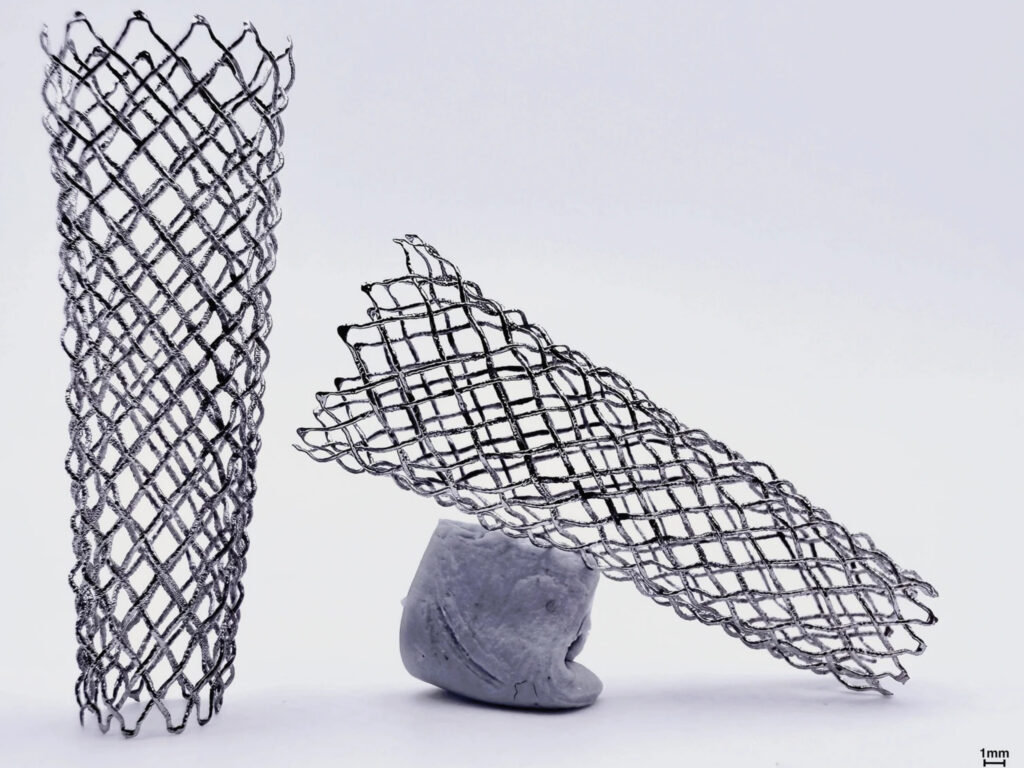
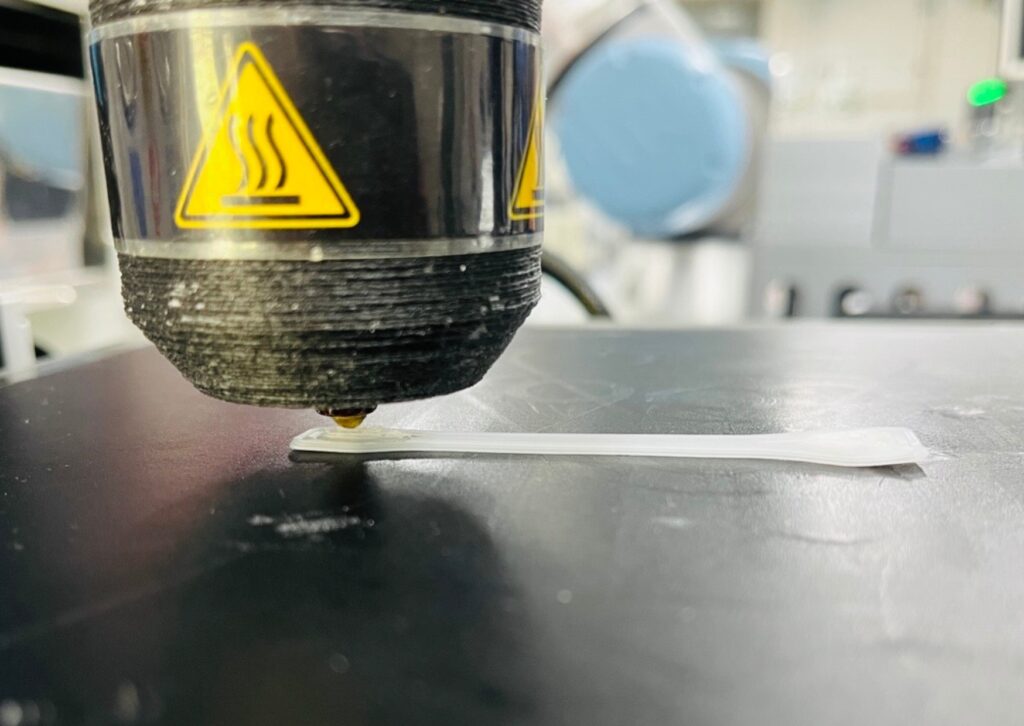
An international research team led by IMDEA Materials Institute and Universidad Politécnica de Madrid (UPM) has developed a pioneering method for manufacturing personalised cardiovascular medical devices using three-dimensional printing of nitinol, a superelastic alloy. This breakthrough,
The European Commission has selected HIGHHYDROGEN-ML, a project carried out at IMDEA Materials, to be featured in a special publication celebrating the 30th anniversary of the Marie Skłodowska-Curie Actions (MSCA). As a result, it has been recognised by the European Commission as one of the most
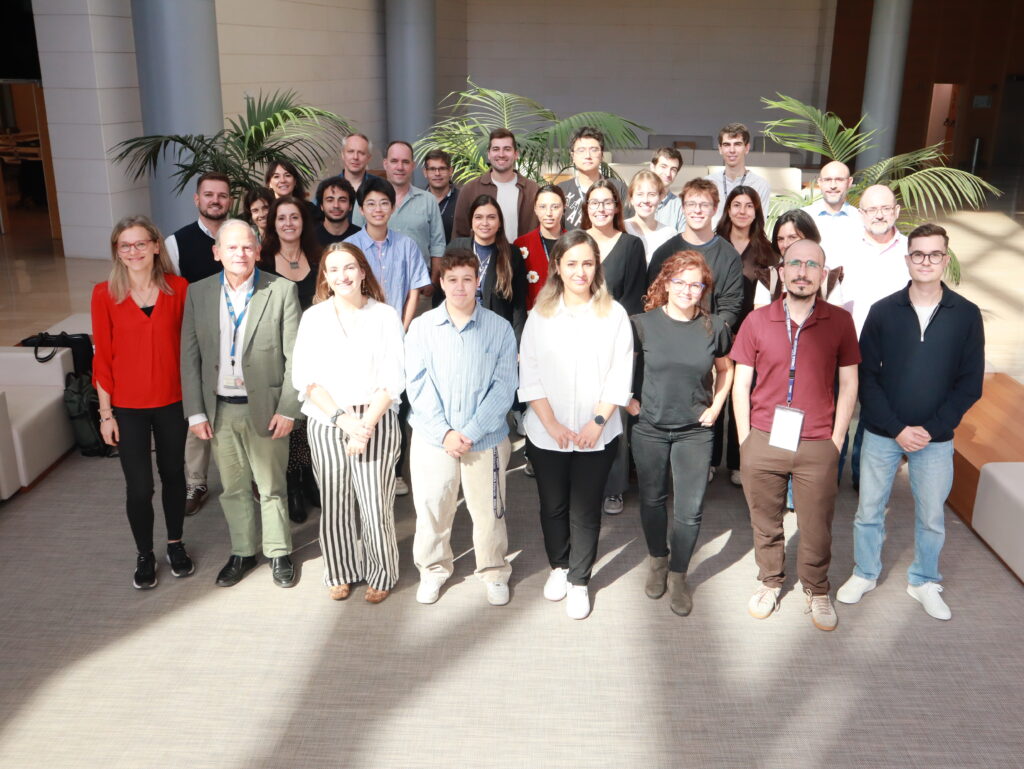
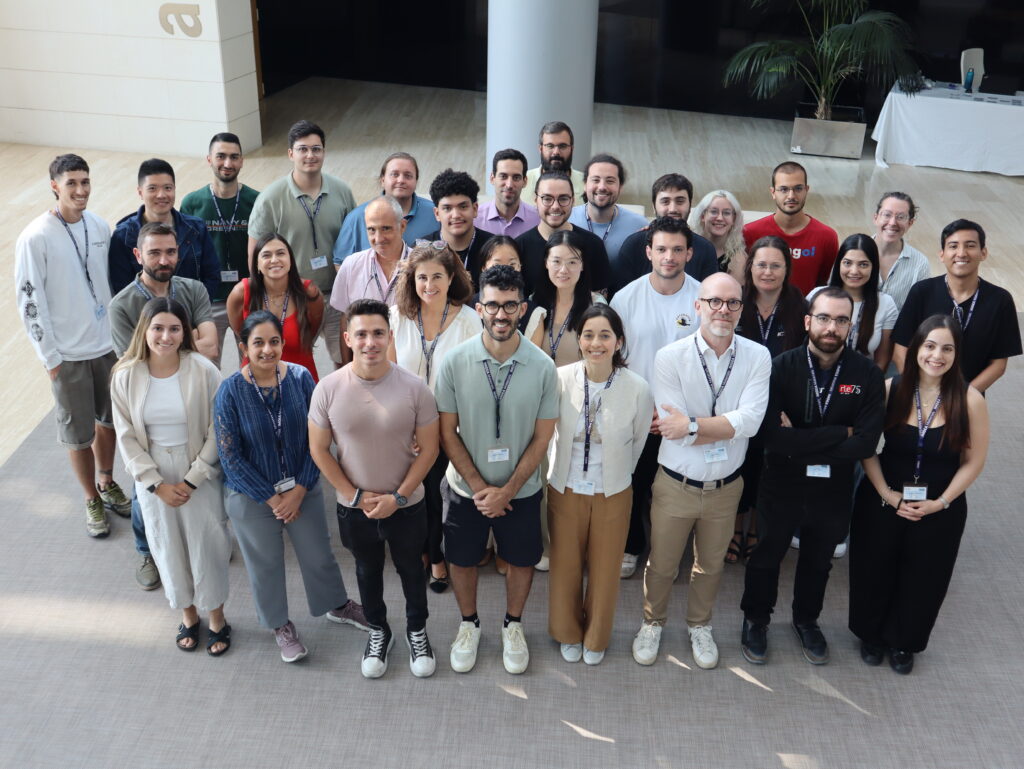
The EIC Pathfinder project BIOMET4D has held its annual Consortium Meeting in conjunction with a final workshop at the Technical University of Madrid (UPM). The 3-day event, organised by IMDEA Materials Institute, was attended by members of each of BIOMET4D’s eight project partners, as well as
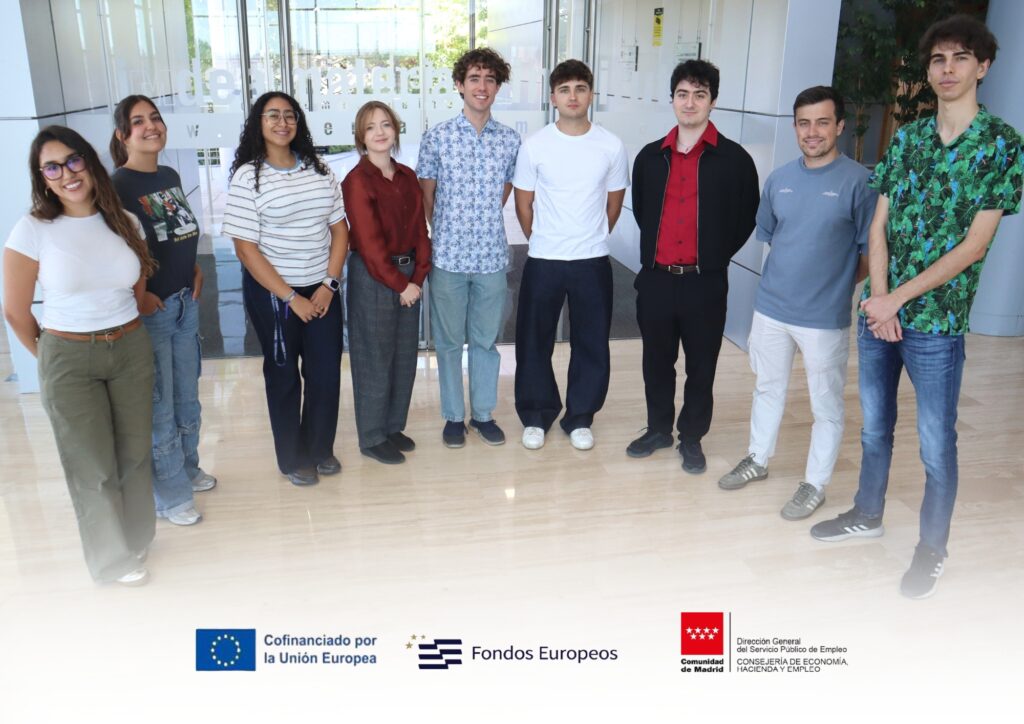
This summer, IMDEA Materials Institute has been excited to welcome nearly a dozen new faces as part of this year's "Programme Investigo".These young researchers will spend the next 12 months at the institute, involved in a wide range of research projects as they discover the possibilities available
Abstract: Carbon Fiber Reinforced Polymers (CFRPs) are among the most widely used materials in the aviation, automotive, industrial, and aerospace sectors due to their exceptional mechanical properties and high strength to weight efficiency. Fast and reliable Non Destructive Testing (NDT) is
Abstract: A heterogeneous Mesh Graph Network (MGN)-based framework is presented, incorporating sparse Optical Fiber Sensors (OFS) to identify the existence, localization, severity, and extension of structural damage in flat composite laminates. The composite panel is discretised into regular
Abstract: The phase-field (PF) method is a powerful tool for simulating microstructure evolution in materials.However, its predictive applications remain limited by uncertainties in material parameters, challengesin multi-physics modeling, and high computational costs. This talk introduces four
A Spanish research team has demonstrated a computational approach for predicting how interactions at the boundary between different materials can influence the performance of nanocomposites. The research, conducted by the IMDEA Materials Institute and BCMaterials, was recently featured on the
Project details Funding: Project: 101296200 — ECO-STEEL — RFCS-2025Project coordinator: IMDEA MaterialsProject period: 01/10/2026-31/03/2030 IMDEA Materials' researchers Dr. Ilchat Sabirov The project Abstract ECO-STEEL
María Teresa Pérez Prado, IMDEA MATERIALS More than half of the European Union’s electricity powers electric motors. According to estimates by the European Commission, electric motors accounted for around 53% of EU electricity consumption in 2020. The Commission reports that the 380 million
Researchers from the IMDEA Materials Institute and the Technical University of Madrid have developed a mathematical model that corrects the overestimated crack area obtained in computational simulations of phase-field fracture problems. The new mathematical approach, called the Double Gradient
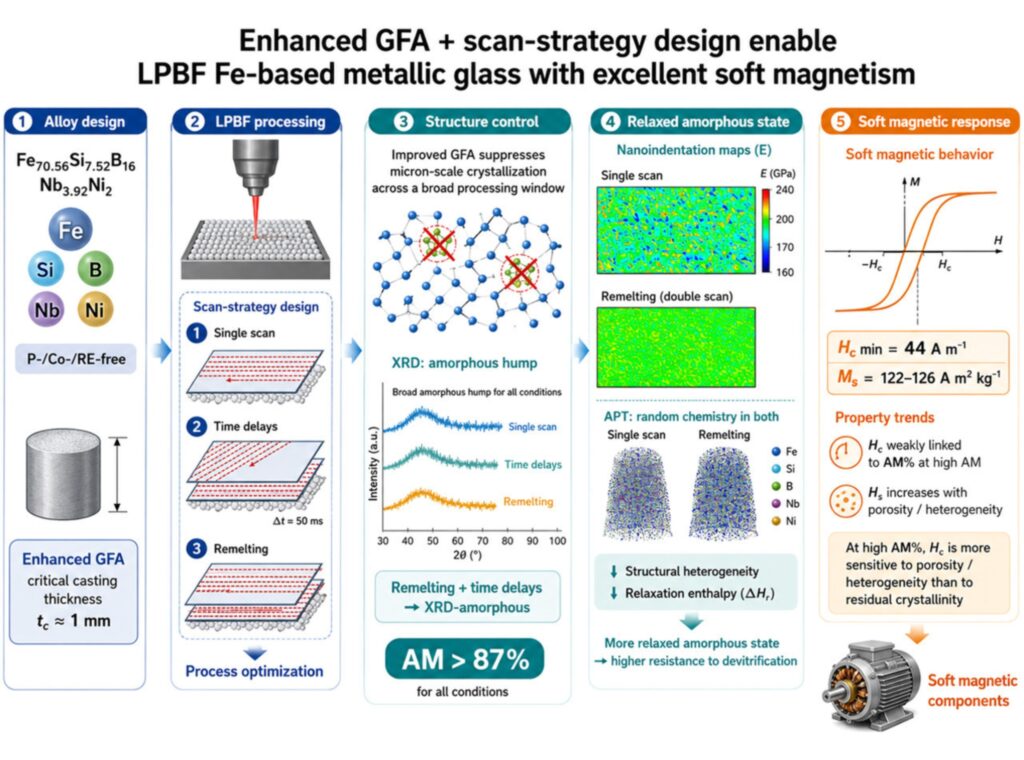
Researchers from the European AM2SoftMag project have developed a new iron-based metallic glass that could lead to 3D-printed components for the manufacture of more efficient electric motors. The new alloy, designed by researchers at Saarland University (UdS) in Germany, is free of critical
For most of us, recycling plastic has become second nature. We separate bottles, food containers and packaging, believing they will be transformed into new products. Yet despite decades of recycling initiatives, only around 9% of the roughly 380 million tons of plastic waste produced globally
IMDEA Materials Institute is certified under the National Security Scheme (ENS) at Basic level. This certification ensures that our information systems comply with the security requirements established by Royal Decree 311/2022 and the ENS regulations.
Software details Software authors Christina Schenk Intellectual Property Rights Copyright © Fundación IMDEA Materiales Opportunity Software license Reference Schenk and M. Haranczyk, A novel constrained sampling method for efficient exploration
Abstract: Lattice structures are architected cellular materials composed of periodic unit cells formed by rods, plates, or other structural elements. Advances in additive manufacturing have enabled precise control of lattice geometry, allowing these materials to achieve exceptional
Besides on-the-job technical training, IMDEA Materials Institute is committed to train the Institute’s staff in “soft” or transversal skills. Those competences are relevant to a broad range of occupations and sectors (academic research or teaching career, specialization in a given field or a career
Abstract: Cardiovascular disease, including myocardial infarction (MI) and heart failure (HF), remains a major cause of death globally. The irreversible and progressive damage of a failing heart is due to its limited regenerative capacity, and a heart transplant remains the gold-standard
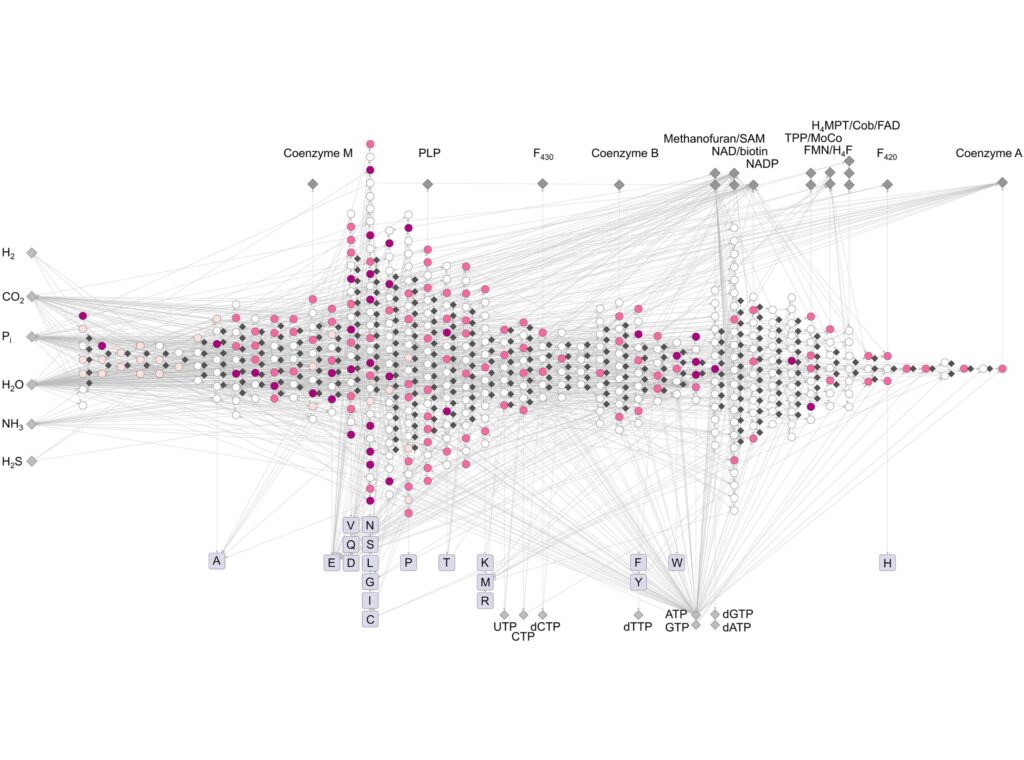
An international research team has published a groundbreaking study in Science Advances offering new insights into one of science's most fundamental questions: how the metabolism that gave rise to life on Earth originated. Modern metabolism as we know it depends on enzymes, biological molecules
Project details Funding: MSCA Postdoctoral Fellowships 2024. HORIZON-MSCA-2024-PF-01Project coordinator: IMDEA Materials Project period: 01/09/2026 – 31/08/2028 IMDEA Materials' researchers Supervisor: Prof. Javier LlorcaFellow: Yi Yang Abstract Design high strength
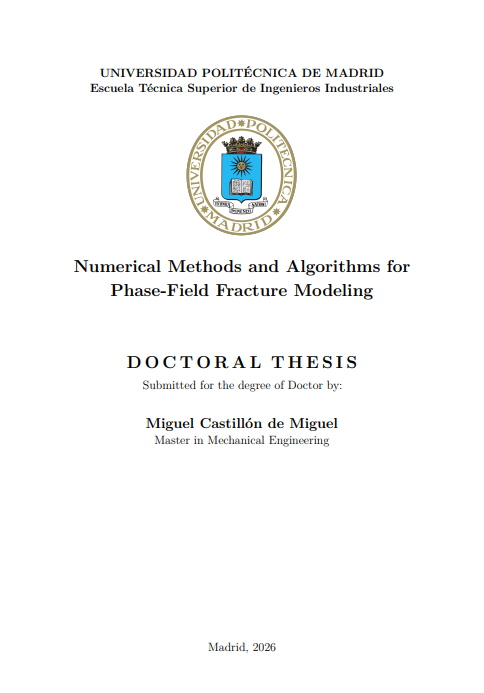
Numerical methods and algorithms for phase-field fracture modeling Author/s: Miguel CastillónDirector/s: Ignacio Romero and Javier SeguradoDefence Date: 09/07/2026Ph.D. Awarding Institution: School of Industrial Engineering, Technical University of
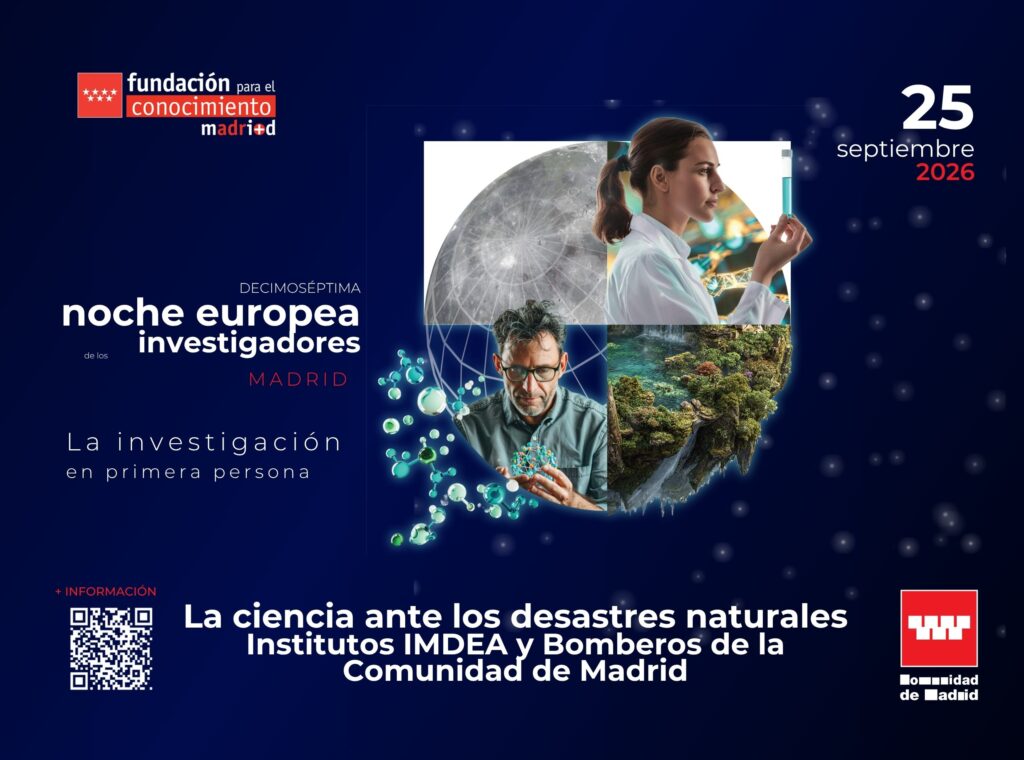
How can science help prevent natural disasters or reduce their impact when they occur? This question will be at the heart of "Science in the Face of Natural Disasters", a public event bringing together researchers from the IMDEA Institutes, as well as firefighters from the Community of Madrid as
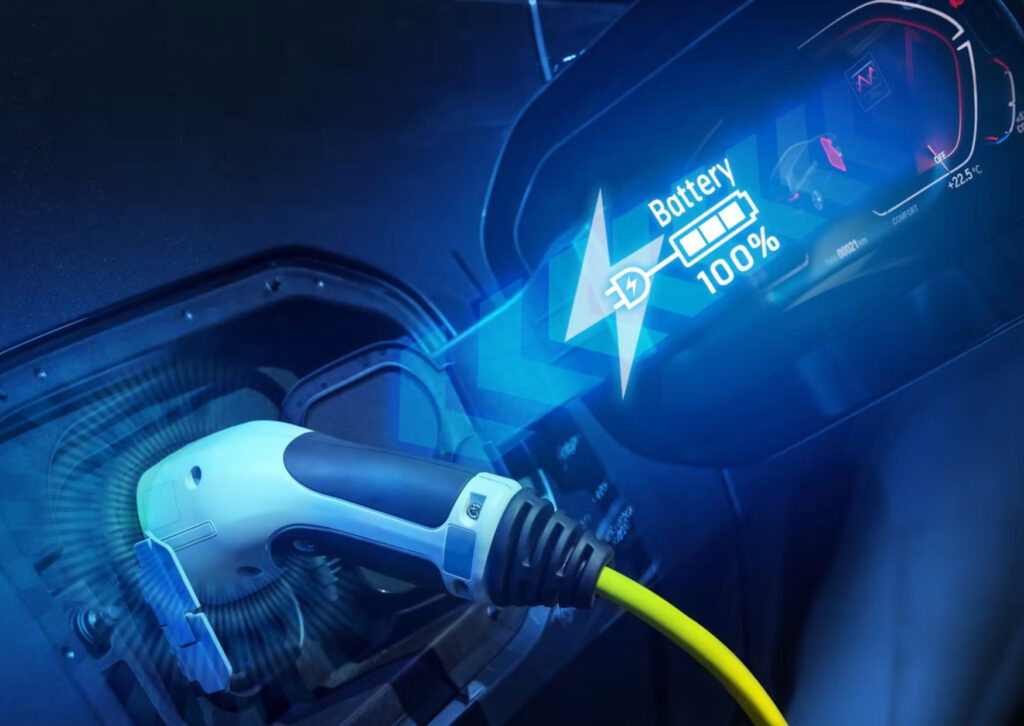
Electric motors are the largely unseen workhorses of modern life. They power everything from washing machines to factory equipment. Individually, many are already highly efficient. But because there are billions of them, even small improvements could translate into significant energy
Abstract Nuclear materials undergo continuous microstructural changes induced by irradiation, particularly by high-energy neutrons. These changes, which originate at the atomic scale, result in the degradation of the mechanical, electrical, thermal and optical properties of
Abstract: Getting published is not only about scientific merit — it demands strategic communication, careful preparation, and a clear understanding of the editorial process. This presentation offers actionable insights into scientific publishing for researchers and students in chemistry and
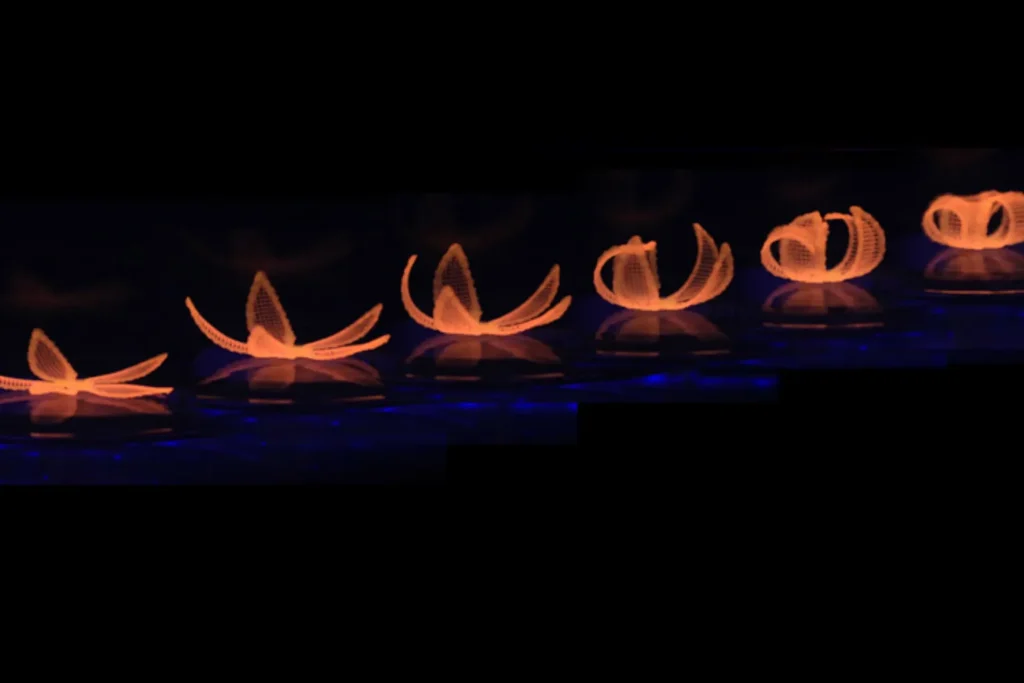
Published by: Carlos Aguilar Vega. Postdoctoral researcher in Mechanical and Biomedical Engineering The original version of this article can be found in Spanish in Fundación Muy Interesante. Imagine a piece of furniture that assembles itself when taken out of the box, or a space structure
Researchers at IMDEA Materials Institute have developed an advanced computational modelling framework that enables the systematic analysis of potential failure and degradation mechanisms in thermal barrier coatings (TBCs). Such coatings are essential for protecting critical high-temperature
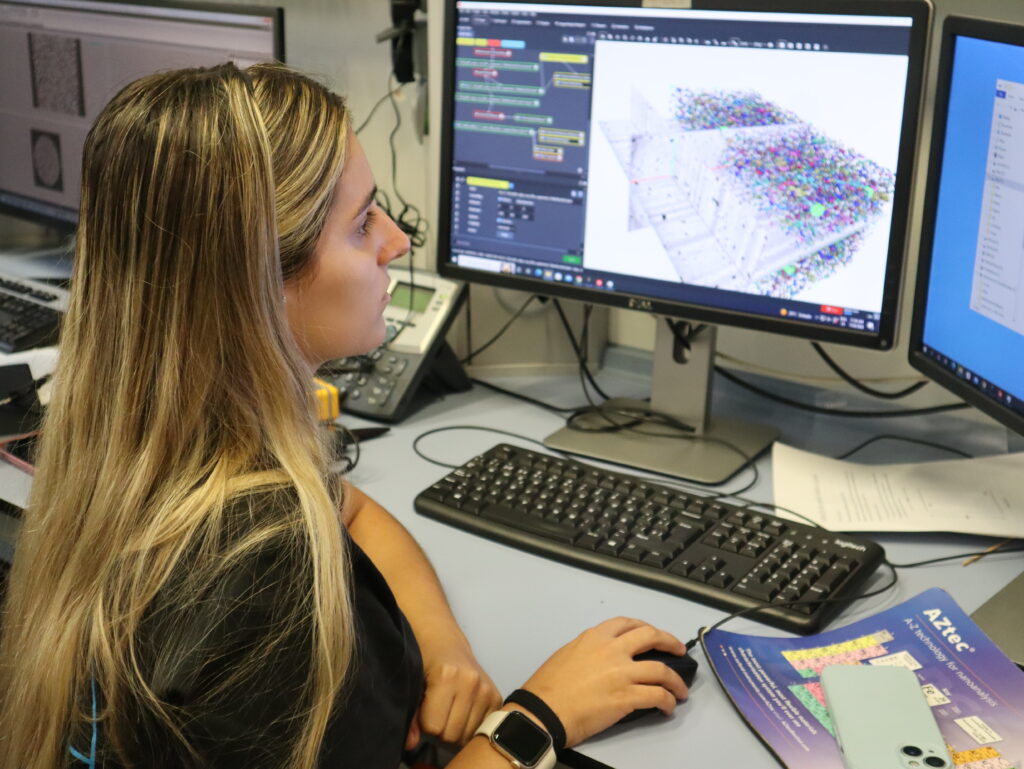
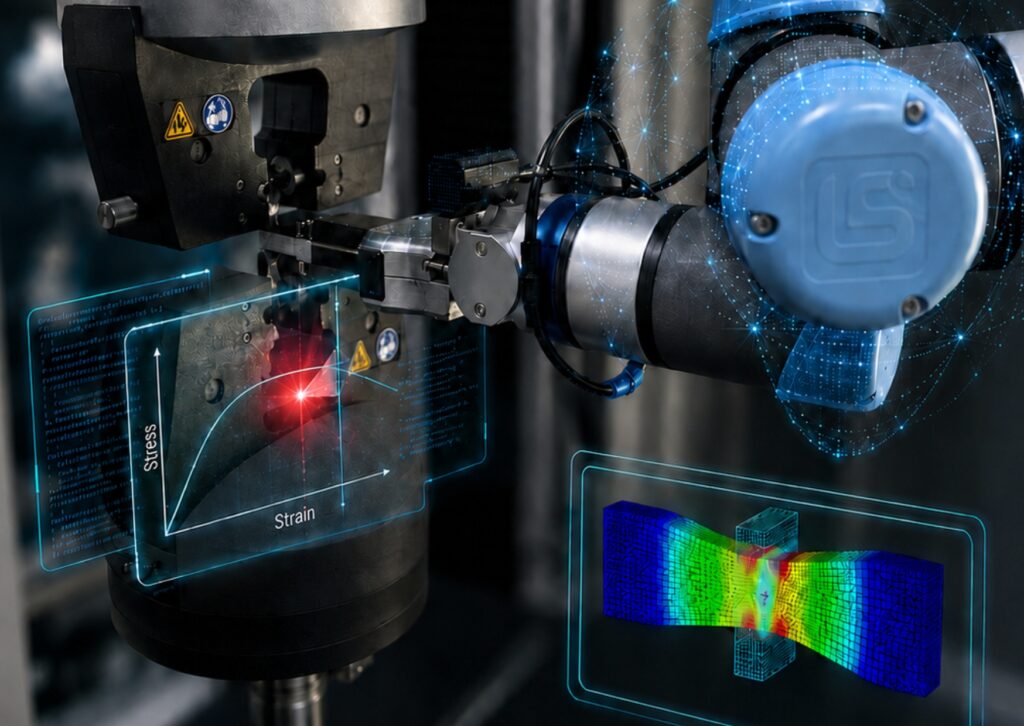
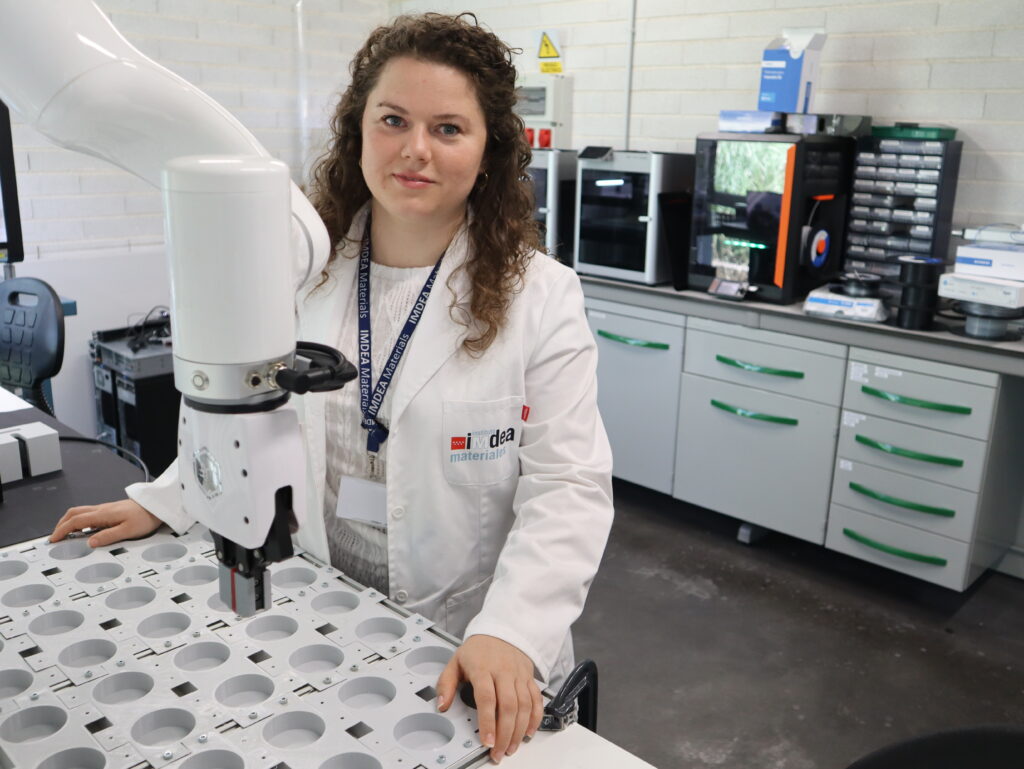
Goal and Vision The Digitalisation and Artificial Intelligence research programme is aimed at integrating automated experimentation, data infrastructures and advanced modelling into a unified, intelligent framework for materials discovery and manufacturing. In this way, materials can be
It will take place on 3 September at 11:00, in the Seminar Room. Abstract Hydrogen embrittlement in structural alloys is a microstructure-dependent phenomenon, governed bythe interplay of composition, grain boundaries, dislocation density, and interface architecture.Microstructural
• The Institute has succeeded in lowering building temperatures with a façade coating that improves fire safety.• IMDEA Materials has also developed a polyurethane foam capable of resisting flames, suppressing smoke emissions, and preventing bacterial growth.• These lines of research will also help
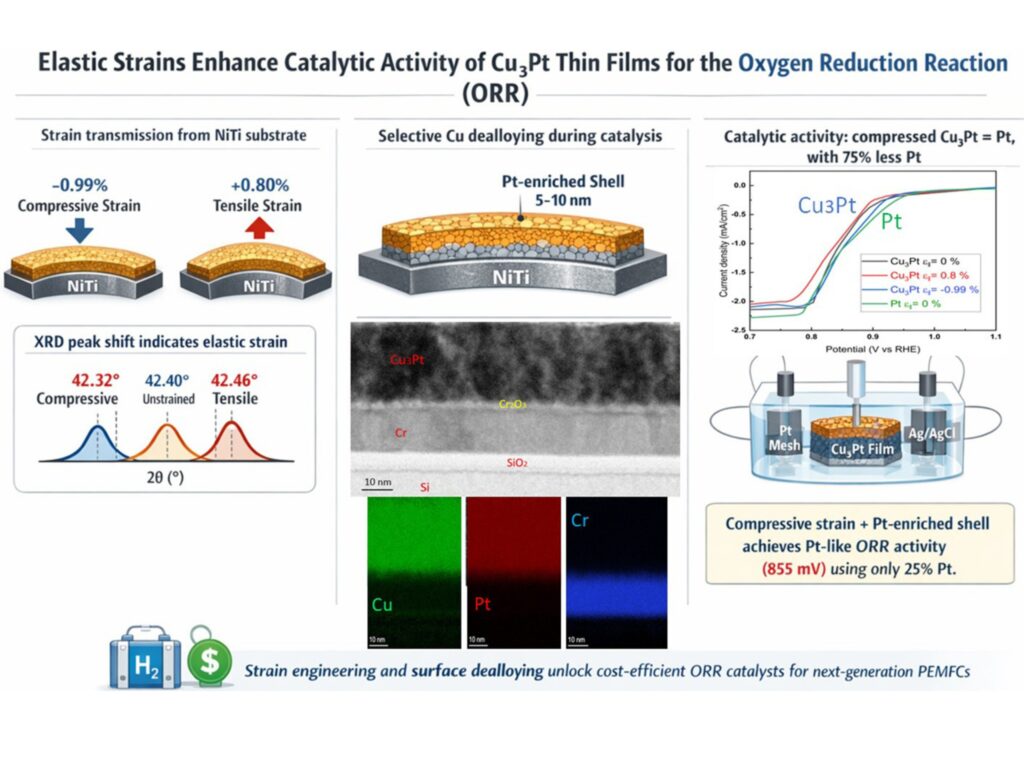
The high cost of platinum is one of the main barriers to the wider adoption of hydrogen fuel cells. Now, researchers at IMDEA Materials Institute have developed a catalyst that delivers the same performance while using 75% less of this expensive metal. The study, published in Electrochimica Acta,
Additive manufacturing is transforming the way metal components are produced for industries such as aerospace, automotive and energy. Among the technologies with the greatest potential is binder jetting, a process capable of manufacturing metal parts quickly, accurately and at industrial
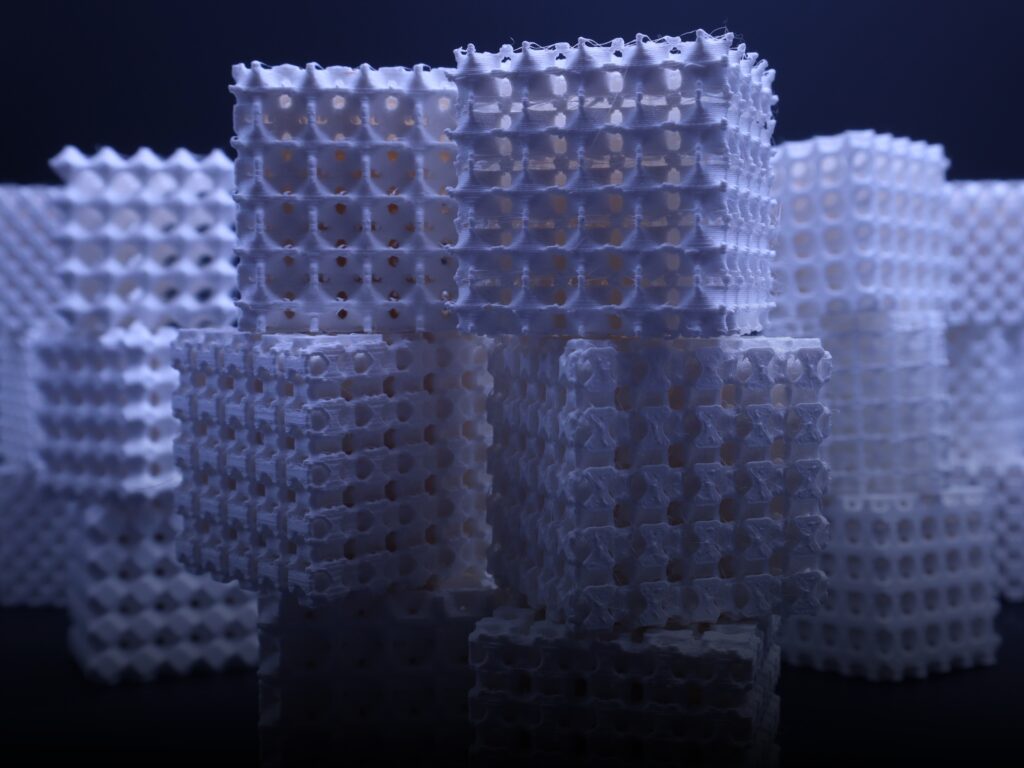
A research team from IMDEA Materials, the Technical University of Madrid (UPM) and the Alfonso X el Sabio University (UAX) has published a systematic map in Advanced Engineering Materials that combines the mechanical and acoustic properties of TPMS cellular structures. The study provides a design
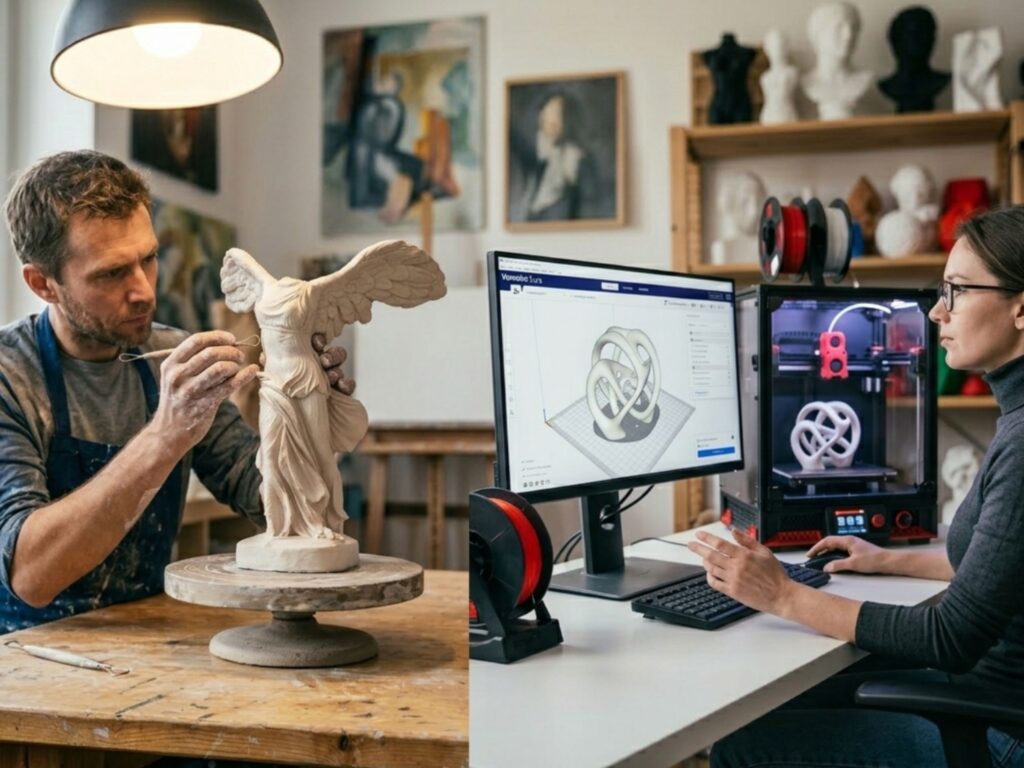
Published by: Ángela García de la Camacha Díaz. Predoctoral researcher in IMDEA Materials The original version of this article can be found in Spanish in Fundación Muy Interesante. Today, 3D printing is one of the most revolutionary technologies of the 21st century. Since its emergence in the
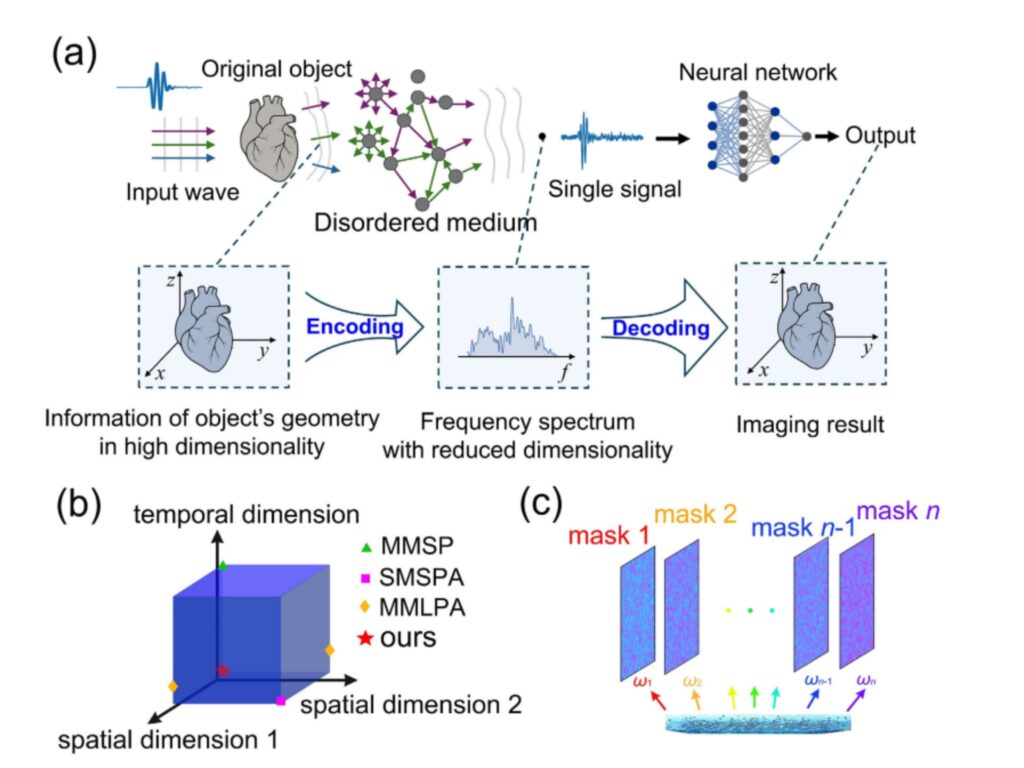
IMDEA Materials Institute has developed an acoustic imaging method that overcomes some of the fundamental limitations of technologies such as ultrasound imaging. The system can reconstruct a complete and accurate image using a single fixed sensor that captures one signal at a single instant,
Imagine buying three identical 3D printers. Despite being the same brand, the same model and even having similar serial numbers, each machine may behave slightly differently. Over time, and at scale, these differences can accumulate into significant manufacturing defects. In order to address this
How are the metallic materials that will enable the technologies of the future designed, manufactured and characterised? This was the central question of the AM2C3 Summer School, held this month at IMDEA Materials Institute, which brought together researchers, PhD students and experts from
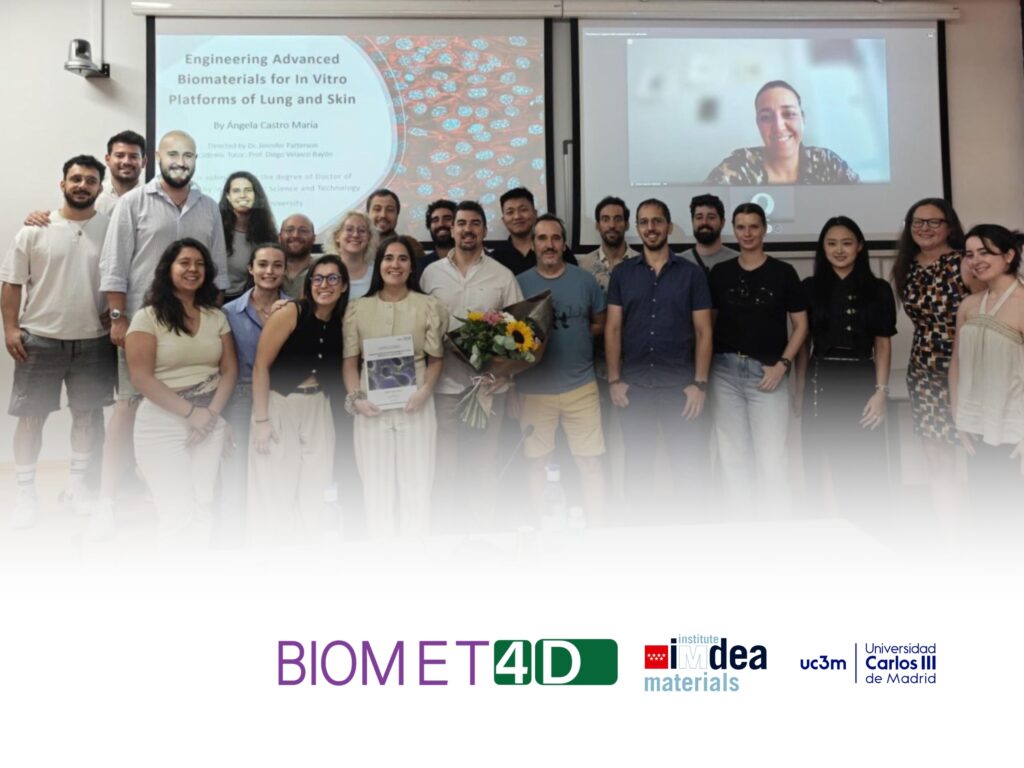
BIOMET4D congratulates former IMDEA Materials Institute doctoral researcher, Ángela Castro María, after she successfully defended her PHD at the Charles III University of Madrid (UC3M)! The research for Ángela's thesis on engineering advanced biomaterials for in vitro platforms of lung and skin
José Manuel Torralba, IMDEA MATERIALS We may be witnessing one of the most fascinating stories to emerge from the highly productive past few years of research in quantum physics and advanced materials: a tiny rotation, a slight twist, between atom-thick sheets of graphene created what physicists
We are pleased to announce the publication of IMDEA Materials' 2025 Annual Report, providing a comprehensive overview of the Institute's activities, scientific achievements and institutional developments throughout the previous calendar year. The full report is available as an interactive
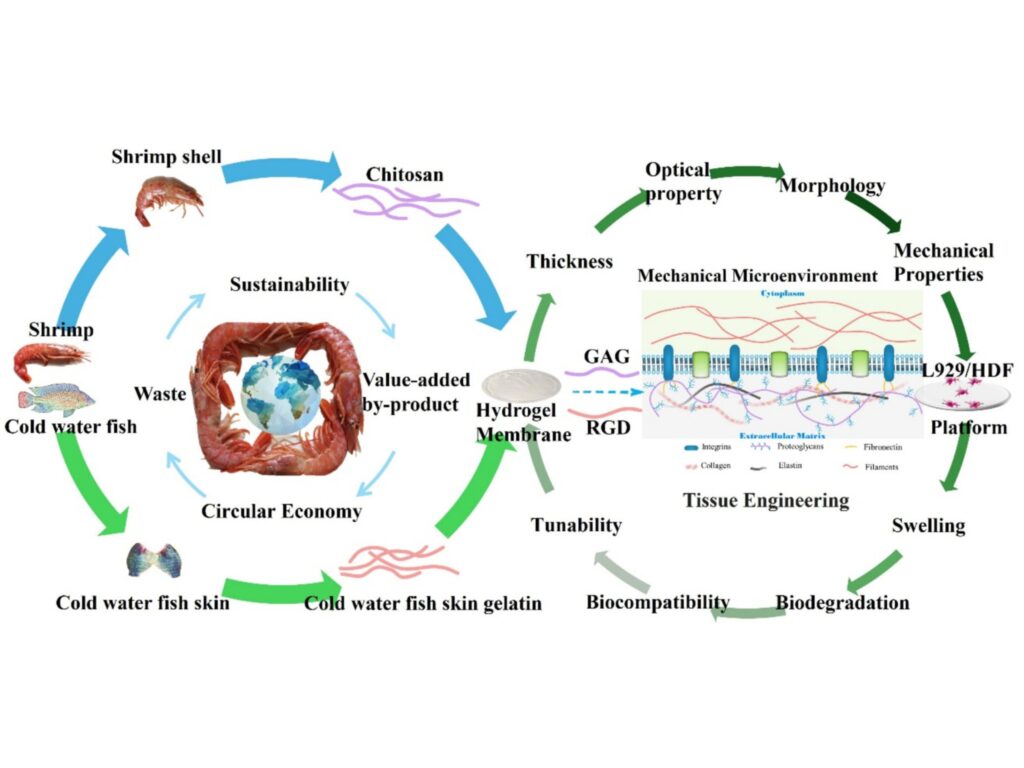
IMDEA Materials Institute has developed mechanically tunable hydrogel membranes that closely mimic the mechanical environment of human skin while remaining highly biocompatible, representing an improved platform for skin tissue engineering and regenerative medicine. The research, published in the
Published by: Dr. Pedro J. Díaz Payno. PhD in Biomedical Engineering. The original version of this article can be found in Spanish in Fundación Muy Interesante. The goal of tissue engineering is to repair, replace or regenerate damaged tissues or organs, whether as a result of disease or
Laboratory of Materials Characterisation and Processing in 3D and 4D Key info Personnel Services Equipment Rates Contact Key info The Laboratory of materials characterisation and processing in 3D and 4D is located at IMDEA
DESCRIPTION OF THE EQUIPMENT Field Emission Scanning Electron Microscope (FE-SEM) Thermo Fisher Scientific Apreo 2S LoVac. The microscope is equipped with a NiCol electron column with immersion lens and beam deceleration capabilities. Everhart-Thornley Detector (ETD), in-lens Trinity Detector
Project details Funding: MSCA Postdoctoral Fellowships 2025. HORIZON-MSCA-2025-PF-01 Project coordinator: IMDEA Materials Project period: 01/07/2026 – 30/06/2028 IMDEA Materials' researchers Supervisor: Dr. Harun Tüysüz Fellow: Xinzhang Liu Abstract Plastic waste and global warming are
IMDEA Materials Institute is pleased to announce the successful completion of the selection process for the ATENEA call, marking an important milestone in the implementation of this Marie Skłodowska-Curie Actions (MSCA) COFUND programme coordinated by IMDEA Materials Institute. Following a highly
IMDEA Materials Institute and the University of Tennessee have established a partnership to provide research fellowship opportunities for PhD students in the Department of Materials Science and Engineering to complete the research component of their degree program at both locations, effective July
A new European initiative, MaterialsCommons, has launched to bring together shared digital resources, such as data and workflow tools, to form a connected European infrastructure that can be accessed through a single entry point. With its ambitious vision, MaterialsCommons will play a key role in
4D printed Nitinol metamaterials: from algorithmic design of textile-based soft-stiff architectures towards next-generation medical implants Author/s: Carlos Aguilar VegaDirector/s: Andrés Díaz LantadaDefence Date: 21/05/2026Ph.D. Awarding Institution: School of Industrial Engineering,
Deformation and crack initiation mechanisms under low-cycle fatigue in Ni-based supperalloys Author/s: Ignacio EscobarDirector/s: Javier LLorca MartínezDefence Date: 24/04/2026Ph.D. Awarding Institution: School of Civil Engineering, Technical University of Madrid Abstract Ni-based
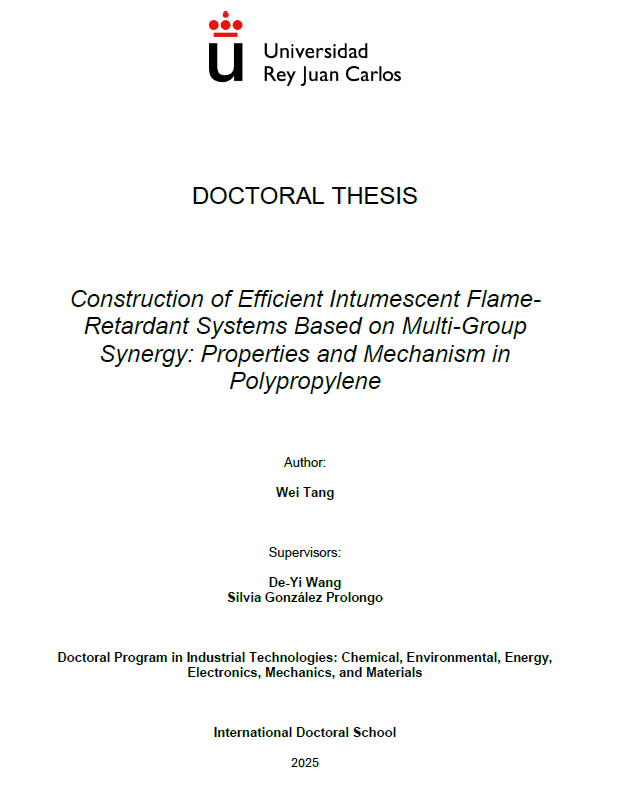
Construction of efficient intumescent flame-retardant systems based on multi-group synergy: properties and mechanism in polypropylene Author/s: Wei TangDirector/s: De Yi Wang and Silvia González ProlongoDefence Date: 23/1/2026Ph.D. Awarding Institution: Rey Juan Carlos
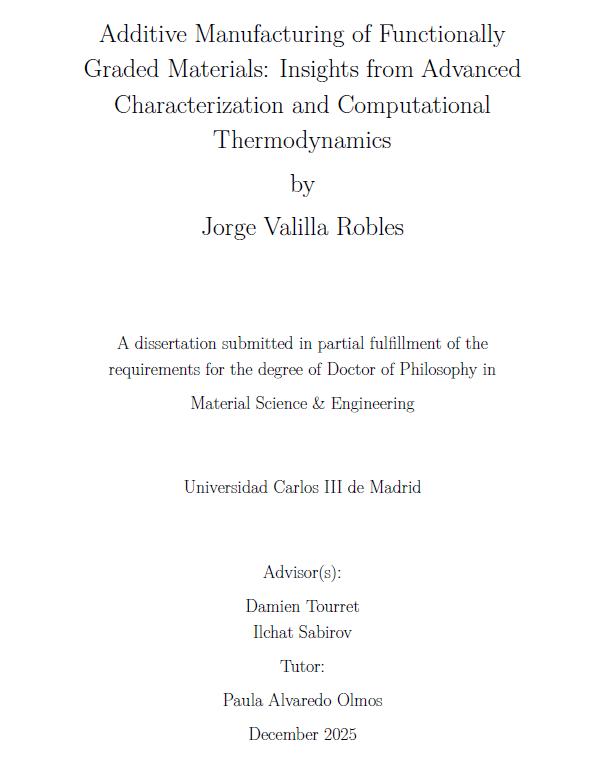
Additive manufacturing of funtionally graded materials: insights from advanced characterization and computational thermodynamics Author/s: Jorge ValillaDirector/s: Damien Tourret and Ilchat SabirovDefence Date: 30/01/2026Ph.D. Awarding Institution: Jorge
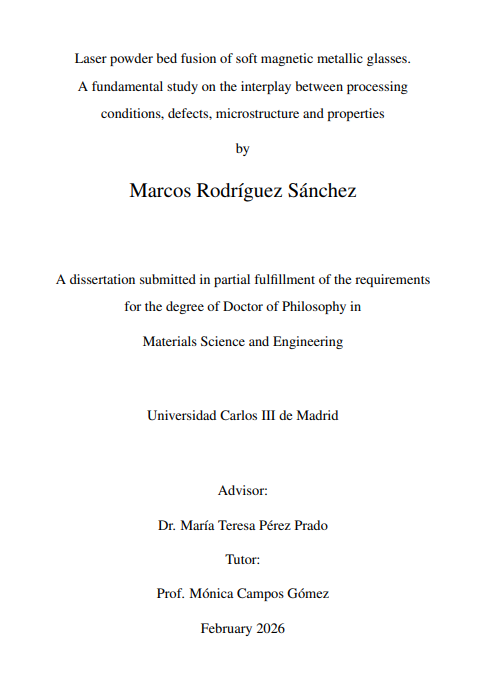
Laser powder bed fusion of soft magnetic metallic glasses. A fundamental study on the interplay between processing conditions, defects, microstructure and properties Author/s: Marcos Rodríguez SánchezDirector/s: Mária Teresa Pérez PradoDefence Date: 06/03/2026Ph.D. Awarding Institution: Marcos
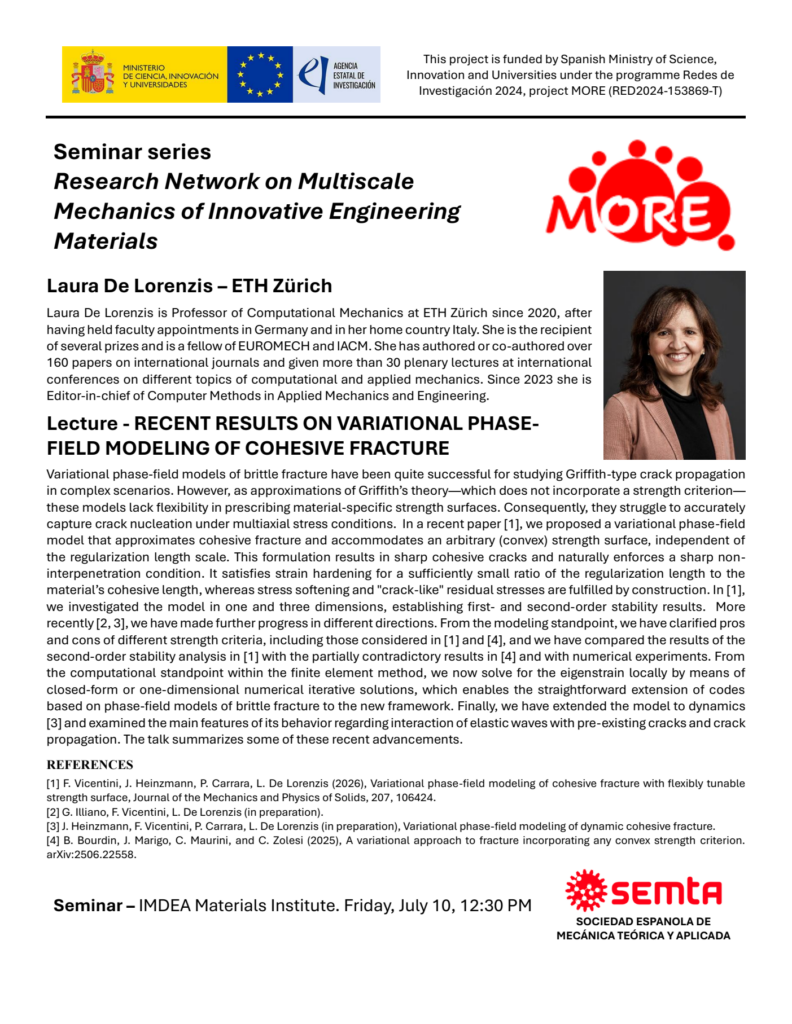
Abstract: Variational phase-field models of brittle fracture have proven highly successful for studying Griffith-type crack propagation in complex settings. However, since Griffith's theory does not incorporate a material strength criterion, these models have limited flexibility in accurately
Petronela Chovancova, IMDEA MATERIALS The next time you open a yoghurt, peel the film off a ready meal, or throw away a disposable coffee cup, take a moment to consider where that item will end up. In most cases, the honest answer is: it will still be here, in one form or another, long after
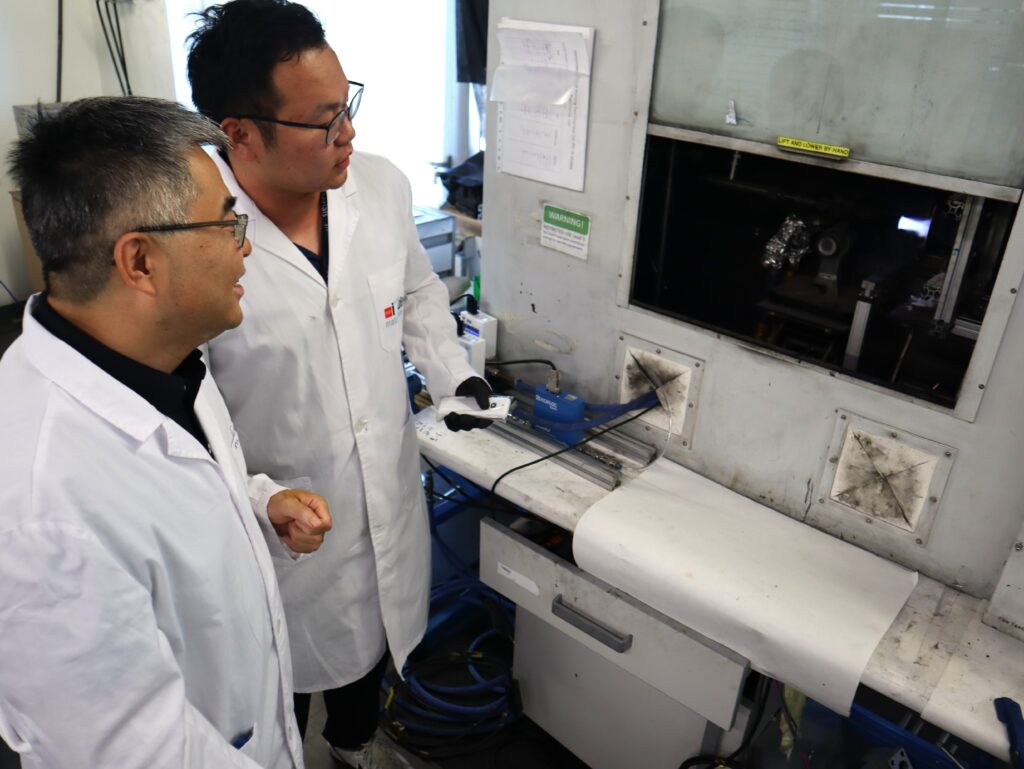
Researchers at IMDEA Materials Institute have developed an artificial intelligence (AI)-based strategy to predict and assess the fire resistance of epoxy resins, one of the most widely used polymers in industry. The new system, published in Polymer Degradation and Stability, enables the rapid and
The preparation, characterisation and properties of high-performance, bio-based epoxy vitrimers and fiber-reinforced composites Author/s: Meihui ZhouDirector/s: De Yi Wang and Silvia González ProlongoDefence Date: 18/1/2023Ph.D. Awarding Institution: Rey Juan Carlos
Fire-safe lithium-ion batteries: material assessment and mechanism Author/s: Mingyang ZhangDirector/s: De Yi WangDefence Date: 20/11/2025Ph.D. Awarding Institution: School of Civil Engineering, Technical University of Madrid PDF
Laser powder bed fusion of Inconel 939: from parameter optimization to microstructural design Author/s: Ignacio Rodríguez BarberDirector/s: María Teresa Pérez PradoDefence Date: 12/09/2025Ph.D. Awarding Institution: Carlos III University of
Exploring the physics of rapid solidification microstructures from additive manufacturing of metallic alloys using phase-field modelling Author/s: José ManciasDirector/s: Damien TourretDefence Date: 27/08/2025Ph.D. Awarding Institution: Texas A&M University Abstract This
Development of 3D-printed biodegradable polymer scaffolds for osteochondral tissue engineering Author/s: Yuyao LiuDirector/s: Javier LLorca and Mónica Echeverry RendónDefence Date: 23/6/2025Ph.D. Awarding Institution: School of Civil Engineering, Technical University of
Influence of the microstructure on the deformation mechanisms of wrought Mg alloys Author/s: Biaobiao YangDirector/s: Javier LLorcaDefence Date: 18/1/2023Ph.D. Awarding Institution: School of Civil Engineering, Technical University of
Predicting the fire performance of flame-retardant polymer composites with a data-driven approach Author/s: Junchen XiaoDirector/s: De Yi WangDefence Date: 26/2/2025Ph.D. Awarding Institution: School of Civil Engineering, Technical University of
Predicting properties of polymer materials using machine learning methods Author/s: Elaheh KazemiDirector/s: Maciej Haranczyk and Carlos GonzálezDefence Date: 18/2/2025Ph.D. Awarding Institution: School of Civil Engineering, Technical University of
Analysis of the mechanical behaviour of PA12 lattice materials fabricated by additive manufacturing Author/s: Lucía CobianDirector/s: Javier Segurado and Miguel MonclúsDefence Date: 6/2/2025Ph.D. Awarding Institution: School of Civil Engineering, Technical University of
Expanding the floating catalyst synthesis of inorganic 1D nanomaterials and their assembly into macroscopic networks Author/s: Isabel GómezDirector/s: Juan José Vilatela and Álvaro Ridruejo (UPM)Defence Date: 27/1/2025Ph.D. Awarding Institution: School of Civil Engineering, Technical
Facilitating development of special clays by incorporation of machine learning techniques Author/s: Giulia Lo DicoDirector/s: Maciej Haranczyk and Veronica Carcelén (UAM)Defence Date: 12/06/2023Ph.D. Awarding Institution: Carlos III University of
Fatigue behavior and fatigue crack initiation micromechanism of rolled AZ31 Mg alloy Author/s: Syed Abbas JamiliDirector/s: Javier LLorca and Anxin MaDefence Date: 18/1/2023Ph.D. Awarding Institution: School of Civil Engineering, Technical University of
Development of Ti-Fe-based powders for laser additive manufacturing of ultrafine lamellar eutectics Author/s: Akshya Kumar Pandey Director/s: Srdjan Milenkovic and Federico SketDefence Date: 14/09/2023Ph.D. Awarding Institution: Universidad Carlos III de
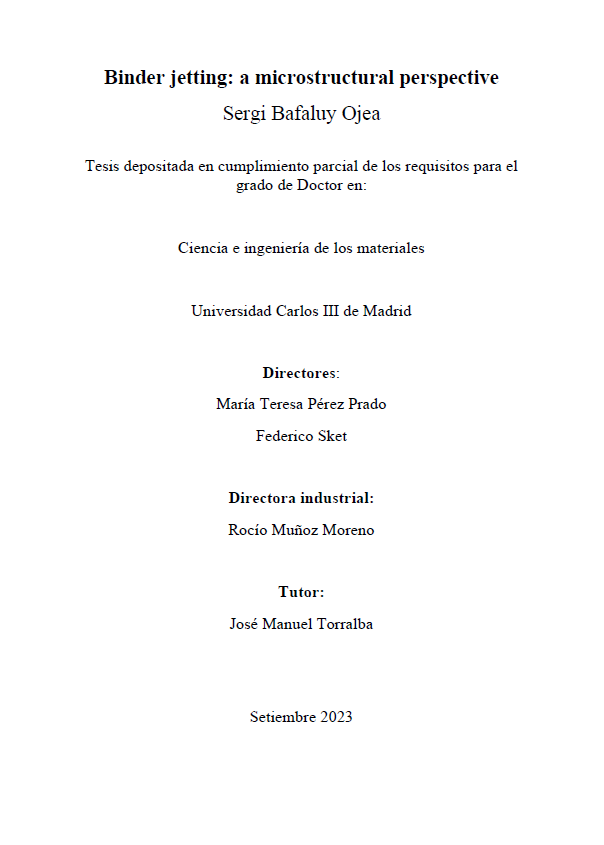
Binder Jetting: A microstructural perspective Author/s: Sergi Bafaluy OjeaDirector/s: María Teresa Pérez Prado and Federico SketDefence Date: 22/09/2023Ph.D. Awarding Institution: Universidad Carlos III de Madrid PDF
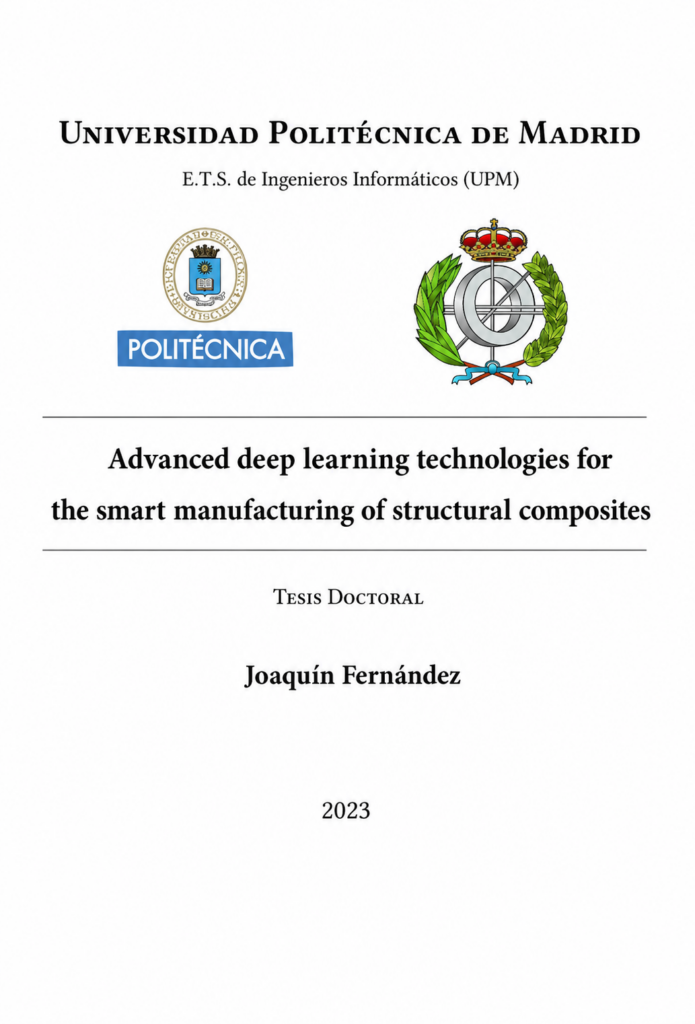
Advanced deep learning technologies for the smart manufacturing of structural composites Author/s: Joaquín FernándezDirector/s: Luis Baumela (UPM) and Carlos GonzálezDefence Date: 4/10/2023Ph.D. Awarding Institution: School of Computer Engineering, Technical University of
Abstract: This first-year work focuses on the development of bioabsorbable Zn-0.2Mg-0.5Mn (wt.%) scaffolds manufactured by laser powder bed fusion (L-PBF) for bone regeneration applications. The project aims to understand how alloy composition, processing route, surface condition and scaffold
The PhD defence will take place in “Sala Multimedia 3.S1.08, Biblioteca Rey Pastor, Universidad Carlos III de Madrid, Campus de Leganés”. The dissertation is titled “engineering advanced biomaterials for in vitro platforms of lung and skin”. It has been advised by Jennifer Patterson and Diego
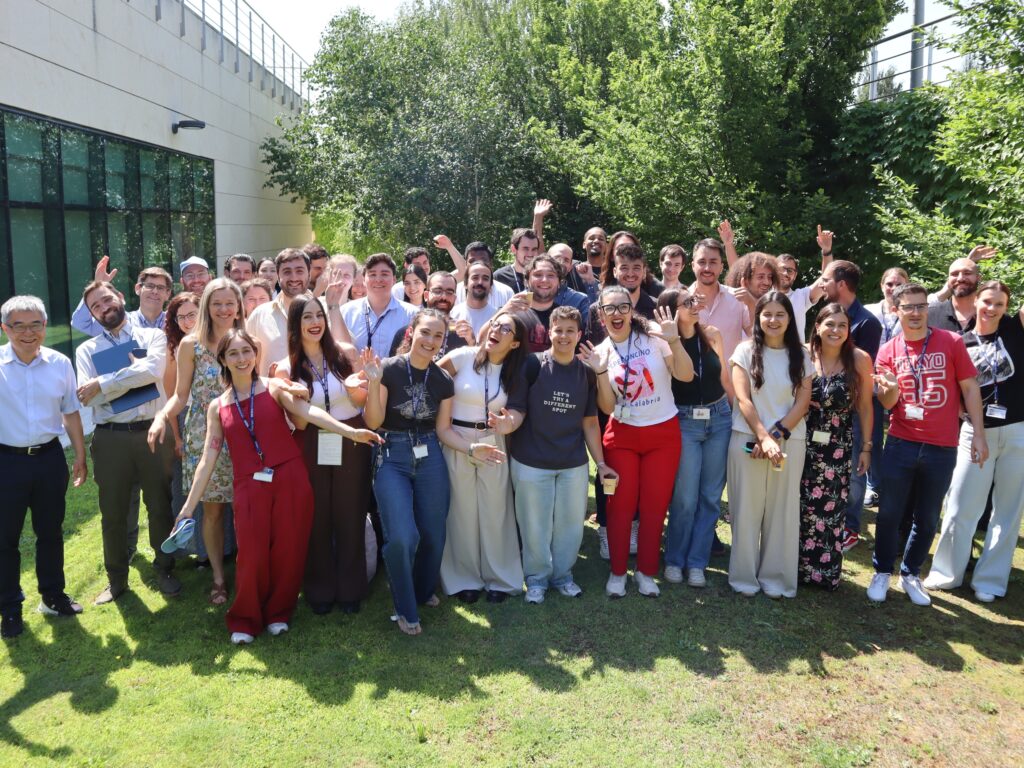
IMDEA Materials researchers came together on Tuesday for the first edition of the IMDEA Materials Soft Matter Summer Meeting, an internal initiative designed to encourage scientific exchange. Held as a half-day event, the programme brought together presentations spanning a broad range of topics,
Abstract: Self-driving laboratories (SDLs) represent a transformative paradigm in chemical and materials discovery, integrating automated hardware withartificial intelligence to drastically accelerate research cycles.Realizing their full potential, however, requires moving away from fragile,
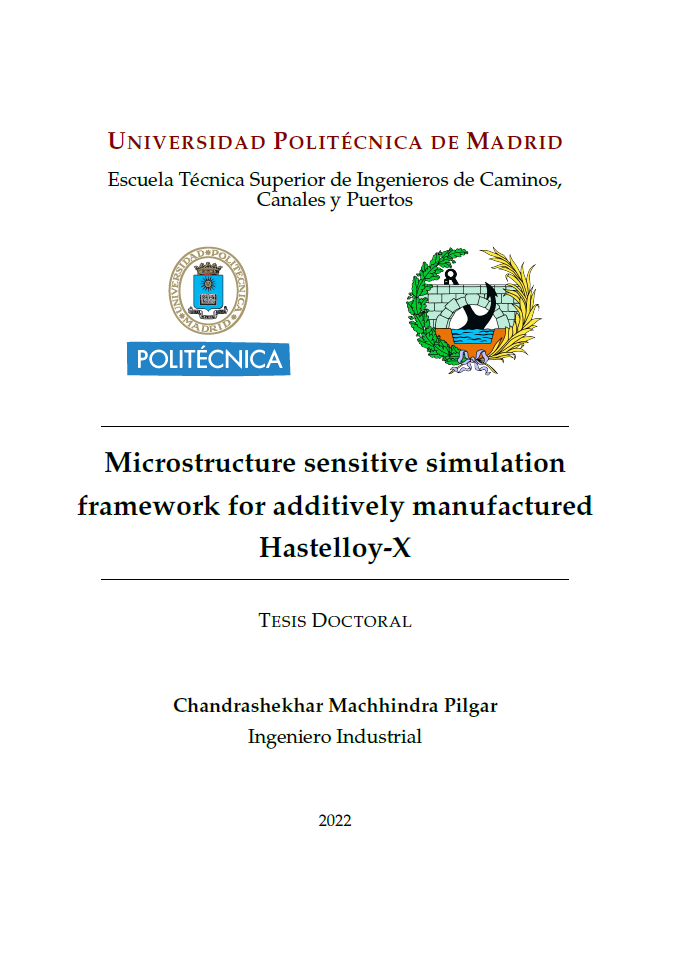
Microstructure sensitive simulation framework for additive manufactured Hastelloy-X Author/s: Chandrashekhar PilgarDirector/s: Javier SeguradoDefence Date: 24/2/2023Ph.D. Awarding Institution: School of Civil Engineering, Technical University of
Researchers at IMDEA Materials Institute and the Institute of Polymer Science and Technology (ICTP-CSIC) have developed an innovative biodegradable multilayer film capable of protecting and controlling the release of anthocyanins inside the body. Published in the International Journal of
As electric vehicles become increasingly common on our roads, ensuring the safety of their battery systems has become a critical challenge for manufacturers and regulators alike. A new initiative at IMDEA Materials, EV Shield, aims to address one of the most significant risks associated with
Project details Funding: HORIZON Innovation Actions (HORIZON-CL4-INDUSTRY-2025-01-MATERIALS-45)Project coordinator: FRAUNHOFER GESELLSCHAFT ZUR FORDERUNGDER ANGEWANDTEN FORSCHUNG EVProject period: 01/06/20256– 31/05/2030 IMDEA Materials' researchers Dr. Maciej
Abstract: This study introduces a Degradation-Actuated Sequential Distractor (DASD) for mandibular regeneration to reduce the high invasiveness of traditional hardware. The system combines a superelastic shape-memory Nitinol mesh with biodegradable WE43 magnesium components, converting chemical
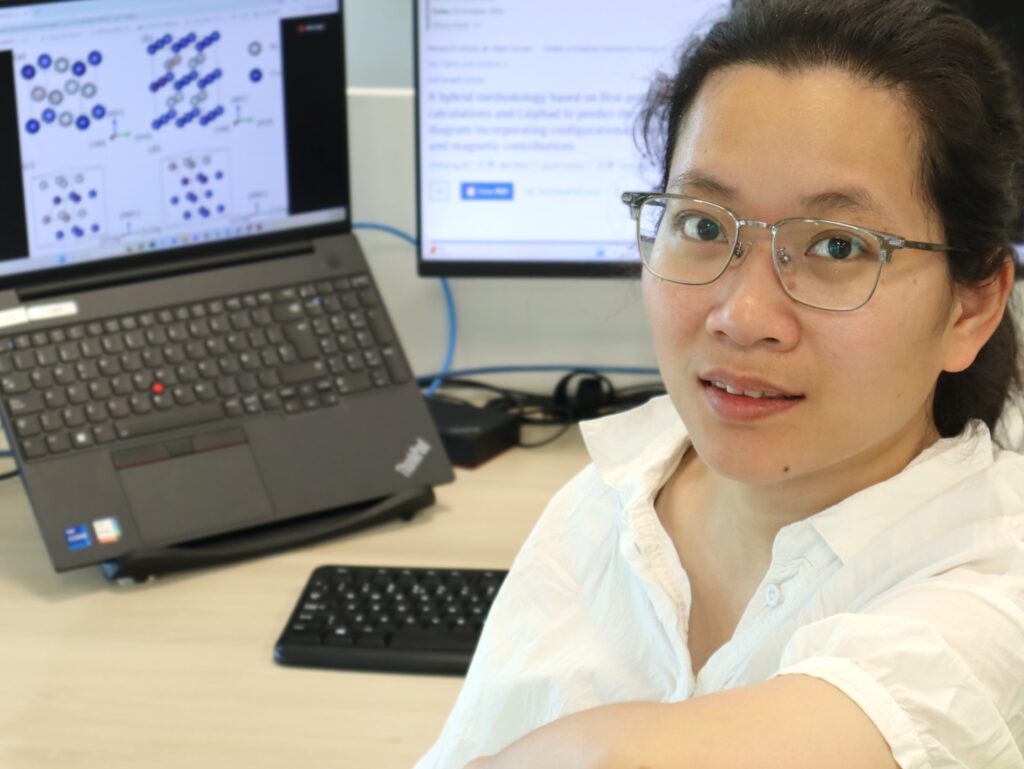
Researchers at IMDEA Materials Institute have developed a new hybrid methodology that combines quantum mechanics and thermodynamic calculations to predict the phase diagram of nickel-cobalt alloys. Published in Acta Materialia, this breakthrough overcomes the limitations of traditional methods,
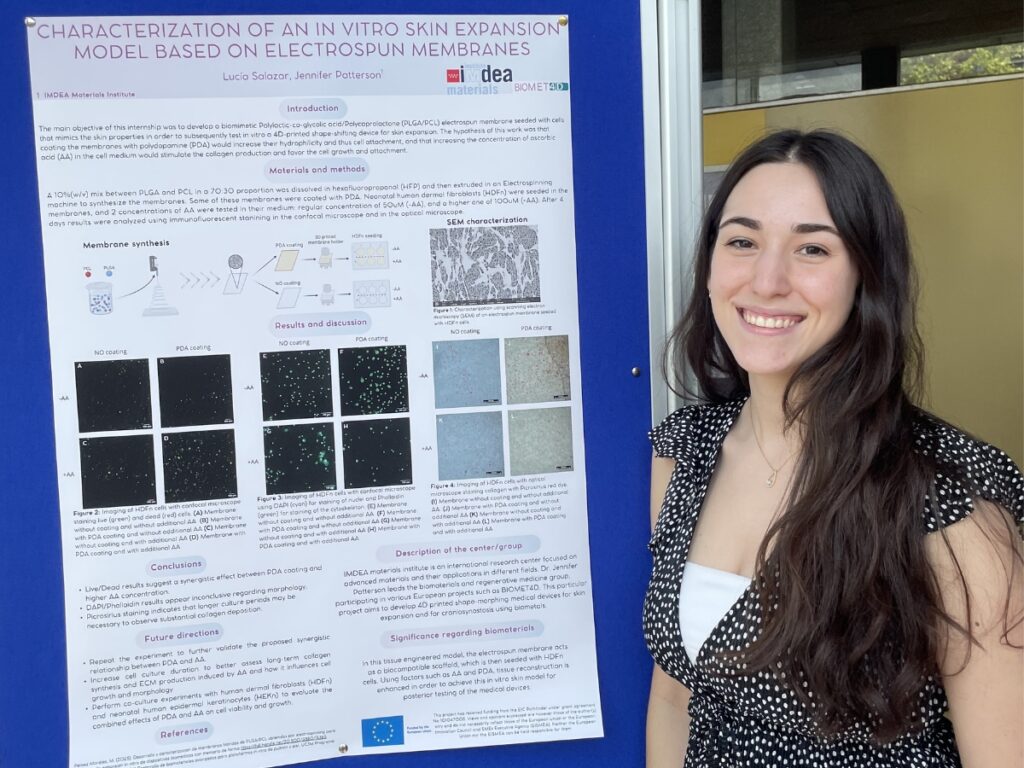
Lucía Salazar, a Master's student in Biomaterials at the Complutense University of Madrid, has presented the results of her research carried out within the BIOMET4D project. See the poster here. The work, conducted at IMDEA Materials under the supervision of Dr. Jennifer Patterson, focused on